.webp) karingame.com
karingame.comThe Horizon Dilemma: How Map Scale, Physics Refinements, and Biome Diversity Shape the Future of Forza Horizon 6
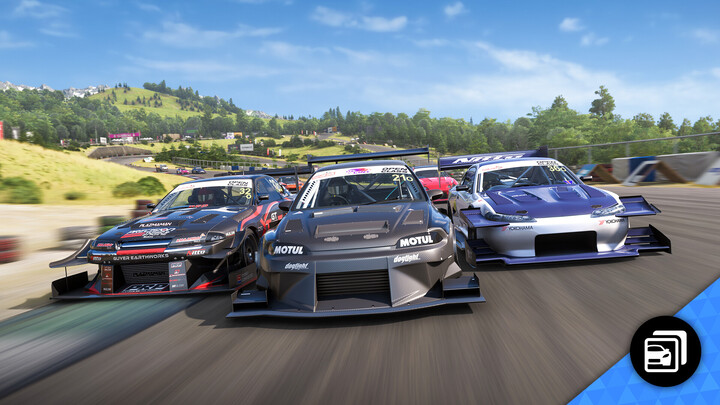
When Playground Games and Xbox Game Studios released Forza Horizon 5, the open-world racing genre reached a unprecedented high watermark in graphical fidelity, vehicle diversity, and environmental density. Capturing the vibrant, varied biome structures of Mexico, the title established a global player base that dominated game pass charts and racing leaderboards alike. However, as the franchise moves into its next evolutionary phase with Forza Horizon 6, it faces a critical design paradox. The baseline mechanics of the Forza engine have matured to a level where incremental visual upgrades no longer suffice to justify a new iteration. Instead, the developers must address structural friction points regarding map layout, progression pacing, handling physics, and endgame live-service loops.
This comprehensive analytical breakdown explores the key structural, mechanical, and geographical vectors that Forza Horizon 6 must navigate. By tracing the chronological evolution of the series' core systems—from map design philosophies to economy balancing—we can outline the precise mechanical roadmap required for the next chapter of open-world racing to surpass its predecessors.
1. Geographical Blueprint: Designing the Next Open-World Arena (2025 – 2026)
The primary identity of any Forza Horizon game is intrinsically linked to its geographical setting. Following the historic, narrow roads of Great Britain in Forza Horizon 4 and the vast, biome-diverse terrain of Mexico in Forza Horizon 5, speculation surrounding Forza Horizon 6 has centered heavily on fan-requested locations like Japan or mainland East Asia. The architectural challenge of choosing a setting like Japan lies in balancing dense urban environments with iconic, winding mountain passes (touge) and open expressways.
Unlike previous maps that favored wide, gentle elevation changes to accommodate hypercar speeds, a setting focused on dense elevation and technical turns requires a fundamental shift in map geometry. Playground Games must balance the demand for narrow, technical drift routes with the high-speed, wide-open corridors necessary for S2 and X-class vehicles.
Architectural Biome Diversity Targets
- Dense Urban Core: High-density neon grids featuring multi-level parking structures, subterranean tunnels, and tight street-racing circuits.
- Technical Mountain Passes (Touge): Continuous, narrow elevation changes with sharp hairpins designed to test low-speed grip and weight transfer.
- Coastal and Agricultural Lowlands: High-speed sweeping roads connecting rural villages with industrial docks and expressway systems.
The Geometry of Elevation
Building steep mountain passes presents unique challenges for AI pathfinding and rendering engines. Forza Horizon 6 needs to expand its vertical render distance to prevent visual popping while ensuring that low-clearance hypercars do not bottom out unrealistically on dramatic incline transitions.
2. The Physics Engine Evolution: Bridging Arcade Accessibility and Simulation Realism
The Forza Horizon franchise has long succeeded due to its "simcade" handling model—a sophisticated balance that borrows suspension geometry and tire thermal physics from Forza Motorsport while offering forgiving traction parameters for casual players using controller thumbsticks. In Forza Horizon 6, the physics engine must evolve to better differentiate between vehicle drivelines, aerodynamic downforce levels, and tire compound properties.
A common point of critique in Forza Horizon 5 was the homogenization of vehicle feel, where high-horsepower All-Wheel Drive (AWD) conversions dominated both off-road and tarmac leaderboards. To restore competitive balance, Forza Horizon 6 must refine its tire slip angles and differential physics, giving Rear-Wheel Drive (RWD) and Front-Wheel Drive (FWD) layouts clear mechanical advantages in specific racing disciplines.
Physics Engine Metrics Comparison
- Tire Deformation Modeling: Real-time calculation of tire sidewall flex during high-G cornering to provide clearer force-feedback cues.
- Surface Transition Fidelity: Instantaneous friction co-efficient recalculation when transitioning from wet asphalt to loose gravel or mud.
- Aero Disturbance Systems: Simulating dirty air effects behind leading vehicles to make drafting and overtaking more dynamic.
3. The Progression Paradox: Fixing the Fast-Track Economy Problem
One of the most debated design choices in recent Forza Horizon titles is the immediate removal of progression friction. Within two hours of starting Forza Horizon 5, players are routinely gifted hypercars, million-dollar credit vouchers, and endless "Super Wheelspins." While this approach appeals to casual players seeking immediate gratification, it eliminates the emotional weight of earning high-performance vehicles, leading to early player burnout.
Forza Horizon 6 must introduce a structured tier-based career path that respects the player's journey from modest street cars to exotic track weapons. Unlocking high-tier Horizon Festival accolades should require mastering specific car classes rather than simply logging in during seasonal events.
Proposed Progression Restructuring
- Class D to B Foundation: Force players to complete regional class-restricted championships before unlocking high-end Festival Outposts.
- Earned Licensing System: Reintroduce skill-based license tests for extreme car classes (S1, S2, X) to ensure players understand braking thresholds and racing lines.
- Targeted Vehicle Rewards: Replace random Wheelspin rewards for legendary cars with specific, multi-stage championship achievements.
4. Customization and Tuning Depth: From Cosmetic Mods to Mechanical Engineering
Vehicle customization in open-world racing games has experienced a massive revival, driven by community demand for detailed body kits, rim offsets, and engine swaps. While previous Forza games offered extensive mechanical tuning menus, their visual customization tools lagged behind genre competitors. Forza Horizon 6 must modernize its modification suite by incorporating deep aesthetic adjustments alongside its technical tuning options.
Beyond visual upgrades, the mechanical tuning system requires greater transparency. Players should be able to see real-time dyno graphs, suspension compression visualizations, and telemetry logs directly within the upgrade bay, allowing them to understand how toe-in angles or sway bar adjustments impact track performance.
Customization Upgrade Vectors
- Advanced Wheel and Track Width Modifiers: Independent control over front/rear track width, negative camber angles, and custom wheel offset depth.
- Aero Customization Options: Moving beyond the standardized "Forza Wing" to offer active aerodynamic components and functional diffuser upgrades.
- Engine Swap Granularity: Allowing players to tune force-induction systems (boost pressure, intercooler sizes) rather than offering static performance stages.
5. Live-Service and the Festival Playlist: Overcoming Weekly Task Fatigue
The live-service model of Forza Horizon relies heavily on the weekly "Festival Playlist," which resets seasons (Spring, Summer, Autumn, Winter) and offers exclusive rewards for completing specific challenges. While this system keeps engagement numbers high, it often creates a sense of mandatory chore-based gameplay, where players feel obligated to complete repetitive PR Stunts (Speed Traps, Drift Zones) to secure limited-time vehicles.
In Forza Horizon 6, the Festival Playlist must shift from rigid weekly checklists toward a dynamic, choice-driven seasonal ecosystem. Players should be able to earn seasonal points through their preferred discipline—whether that is pure road racing, open-world drifting, livery creation, or blueprint engineering—without being forced into modes they dislike.
Festival Playlist Redesign Matrix
Current Live-Service Structure (FH5)Proposed Next-Gen Structure (FH6)Rigid Checklist: Requires completing fixed PR stunts and trial races.Path-Based Progression: Earn seasonal unlock points through any preferred racing path.FOMO Vehicle Unlocks: Missed cars are locked behind inflated Auction House prices.Backstage Pass System: Instant integration of seasonal cars into an earnable pass system.Static AI Drivatars: High-difficulty AI cheats using rubberband acceleration.Adaptive AI Physics: AI drivers bound by the exact same physical friction rules as players.
6. EventLab 2.0: Empowering Community Creators and World Building
The introduction of "EventLab" transformed the franchise by converting the open map into a sandbox for player-built track structures, obstacle courses, and custom game modes. However, the toolset in Forza Horizon 5 was hindered by object budget limits, awkward prop snapping mechanics, and complex node-linking menus that made large-scale track building frustrating for average users.
Forza Horizon 6 must build its community creation tools from the ground up, offering an intuitive "EventLab 2.0" suite with features comparable to professional level-editing software.
Key Creator Tool Requirements
- Precision Prop Snapping and Grouping: Magnetic snap points for roads, barrier walls, and track tiles, with full group-transform capabilities.
- Expanded Memory Budgets: Utilizing next-gen hardware architectures to allow significantly higher prop counts without framerate degradation.
- Logic Scripting Nodes: Visual node-based scripting tools that allow creators to build custom game modes, scoring zones, and dynamic track triggers.
7. Audio Engineering and Environmental Acoustics: The Sensory Core of Speed
Sound design is critical to the sensation of automotive performance. Early releases of Forza Horizon 5 made significant strides by implementing granular granular-synthesis audio for exhaust notes, but fans noted that many engine sounds still felt generic or mismatched relative to their real-world counterparts. A true next-gen entry must treat exhaust and intake notes with absolute acoustic accuracy.
Forza Horizon 6 needs to implement advanced real-time acoustic ray-tracing. Engine sounds should echo dynamically off mountain canyon walls, resonate inside concrete tunnels, and muffle realistically when driving through dense forests or rainy weather.
8. Multiplayer Infrastructure: Seamless Convoy Integration and Social Hubs
Despite its focus on social play, the convoy system in Forza Horizon 5 suffered from persistent network desynchronization issues at launch, where group members would frequently disappear from the shared world session. For Forza Horizon 6 to succeed as a shared-world platform, the netcode must handle seamless lobby merging, keeping large groups of friends visible in the same instance without manual server requests.
Furthermore, the game should reintroduce physical social hubs, such as interactive car meets at gas stations, track paddocks, and underground parking garages. These zones would allow players to walk around avatars, inspect open hood engine bays, copy livery designs, and initiate instant head-to-head drag races without navigating abstract pause menus.
Multiplayer Social Features
- Seamless Shared World: Unified server instances that keep convoy members locked together regardless of fast-travel or map transitions.
- Physical Car Meets: Dedicated map nodes where players can show off builds, trade tunes, and launch quick custom lobby challenges.
- Proximity Voice and Radio Channels: Contextual audio channels for local open-world cruising and convoy coordination.
9. Next-Gen Technical Benchmarks: Leveraging Hardware Power
As a flagship title for the Xbox ecosystem, Forza Horizon 6 will serve as a primary showcase for graphical and technological innovation. Moving fully past cross-generation hardware constraints allows Playground Games to push lighting, geometry density, and physics simulation to new extremes.
By prioritizing target performance modes that deliver 60 frames per second with full ray-traced reflections during active gameplay—rather than limiting ray-tracing to photo modes or garage views—the franchise can re-establish itself as the visual standard for the racing genre.
Technological Priorities for Next-Gen Architecture
- Global Dynamic Lighting: Fully dynamic real-time global illumination (RTGI) accounting for neon city signs, sun angles, and weather transitions.
- Deformable Terrain Mechanics: Deep snow, mud, and sand deformation that permanently alters track ruts during multi-lap races.
- DirectStorage Optimization: Instantaneous fast-travel times and zero pop-in while driving hypercars at speeds exceeding 400 km/h.
10. The Strategic Endgame: Balancing Franchise Longevity with Genre Innovation
The open-world racing genre is far more competitive than it was when the original Forza Horizon debuted. Rivals have adopted open-world structures, dense car lists, and live-service frameworks. To maintain its market dominance, Forza Horizon 6 cannot rely solely on polished iterations of its established formula; it must innovate bold structural systems that redefine how players interact with digital car culture.
By focusing on meaningful progression, rewarding handling mechanics, powerful community creation tools, and an authentic representation of its chosen location, Forza Horizon 6 can deliver a definitive gaming experience that satisfies both hardcore automotive enthusiasts and casual gamers alike.
Conclusion
The future of Forza Horizon 6 relies on a delicate balance: preserving the accessible, joyful open-world freedom that defines the franchise while making necessary mechanical improvements to progression, handling physics, and map geometry. By shifting away from frictionless car rewards and over-saturated checklists toward a structured, choice-driven career path, Playground Games can restore a sense of achievement to every vehicle in the garage. Paired with next-gen technical capabilities, refined engine acoustics, and advanced creator tools like EventLab 2.0, Forza Horizon 6 has the potential not just to continue the legacy of its predecessors, but to set a new operational standard for the future of interactive racing entertainment.