


Cocoon is an acclaimed puzzle adventure game that blends exploration, creativity, and world manipulation into a unique experience. The game places you in the role of a small insect-like creature navigating a mysterious universe built within layered worlds. Unlike traditional puzzle games, Cocoon challenges you to think beyond individual rooms or simple mechanics. Instead, the game revolves around learning how to carry worlds within worlds, discovering patterns, and using logic to solve complex problems that build upon each other.
This guide will help you understand how to play Cocoon effectively, especially if you are new to puzzle games that merge environmental storytelling with multi-layered mechanics. Through 10 key sections, you will learn how to explore, think, plan, and solve puzzles like a seasoned player. Whether you aim to finish the game smoothly or master its deeper puzzle logic, this article will support your journey step-by-step.
By the end, you will have the knowledge to approach Cocoon confidently, understand its rhythms, make sense of its world-switching system, and solve every type of challenge the game presents.
Understanding the Core Concept of World Orbs
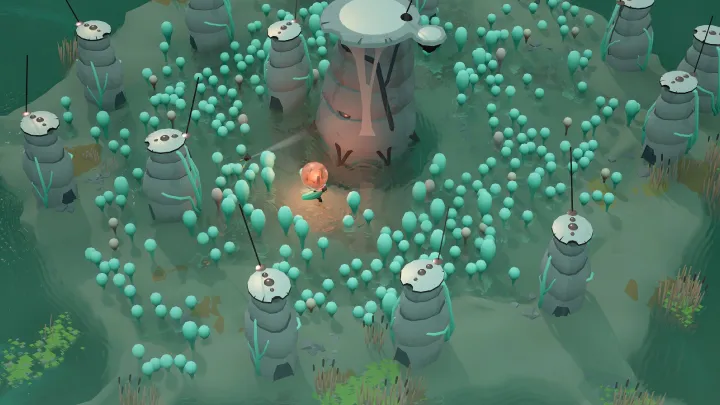
The most important mechanic in Cocoon is the orb system. Each orb is an entire world, and as the player, you carry these orbs to solve puzzles and unlock pathways. Every orb also provides a unique ability once placed on special platforms. Understanding these orbs is essential because the entire game revolves around how you manipulate them.
As you progress, you learn that each world has its own structure, rules, and environmental functions. The deepest puzzles require placing these worlds in specific locations, removing them, or even jumping inside them. The more comfortable you become with this idea, the easier the journey becomes. Think of orbs as keys, tools, and environments all at the same time.
Mastery of orbs comes from practice, observation, and experimentation. Early puzzles introduce you to the system gently, but later ones expect you to combine multiple worlds, coordinate movements, and anticipate reactions. If you want to play Cocoon efficiently, understanding these mechanics is your first goal.
How to Explore Environments With Intent
Cocoon rewards players who explore each area carefully. While the game is minimalistic and does not use dialogue, the environment communicates everything you need. Visual cues guide you, patterns repeat for a purpose, and unusual shapes or glowing areas usually indicate interaction points. Learning to read the world’s design is essential for progressing smoothly.
Exploration in Cocoon is not about collecting items or fighting enemies. Instead, it is about learning the rhythm of each world. Some areas move, some transform, and others shift after you activate certain mechanisms. Move slowly, observe everything, and look for structures that stand out. The designers crafted every element with intention.
The more you explore, the easier it becomes to identify important landmarks and pathways. If you ever feel stuck, returning to previous sections often reveals clues you overlooked. Exploration is less about wandering and more about understanding how spaces connect.
Learning How to Solve Early Puzzles
Early puzzles in Cocoon teach the fundamentals of interacting with platforms, placing orbs, and navigating pathways. These early challenges are forgiving and help you understand how the world reacts to your actions. By observing what changes each time you move an orb or activate a mechanism, you build the logic needed for advanced puzzles later.
Beginners should focus on testing every possibility. Move orbs onto platforms, step on switches, and experiment with timing. The game rewards curiosity, and even incorrect moves help you understand the puzzle structure. Remember, early areas are built to teach, not punish.
As you progress, puzzles blend mechanics together, requiring you to remember what you learned earlier. If you study early puzzle behavior, you will find it much easier to tackle the complex challenges that appear later.
How to Use Orb Abilities Effectively
Each orb in Cocoon comes with a unique ability when placed on specific devices. These abilities may include creating bridges, revealing invisible paths, or activating structures. Using abilities in combination becomes essential as puzzles become multi-layered and involve more than one orb.
To use orb abilities effectively, start by identifying the functions of each ability and the type of puzzle it solves. If an area contains multiple monitors or platforms, the solution likely involves switching between orbs, entering worlds, or positioning them in specific arrangements.
Knowing when to activate abilities also matters. Some puzzles require timing or coordinating movements before activating a power. Others rely on placing orbs in precise locations. Understanding these mechanics transforms a confusing puzzle into a clear one, making your progress smoother and more intuitive.
Managing Multiple Layers of Worlds
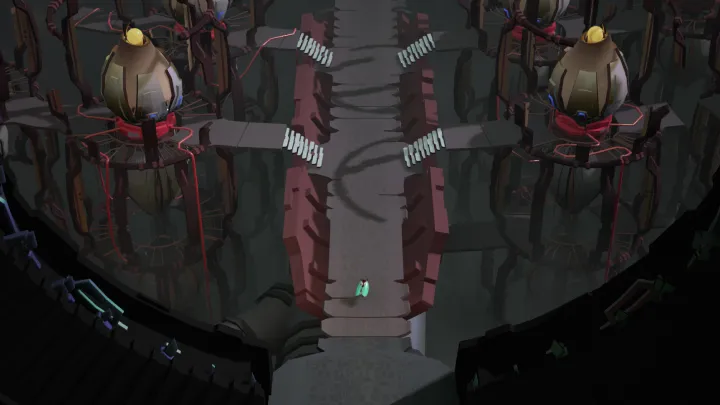
Later in Cocoon, puzzles involve navigating multiple nested worlds. This requires you to carry an orb into another orb, jump between worlds, and understand how actions in one layer affect another. This is the most complex part of the game and the section where many players struggle.
The key to managing multiple layers is visualization. Before attempting a solution, picture the entire structure. Which orb needs to be inside another world What action triggers something outside this world How do platforms or switches influence different layers These questions guide your process.
Another important technique is backtracking. Do not hesitate to step back, remove an orb, or switch worlds. Often, solutions require temporary steps that unlock new passages. The game encourages logical experimentation, so take your time and explore all layers calmly.
How to Navigate Boss Battles
Cocoon includes several memorable boss encounters. These battles are more like puzzle interactions than traditional combat. Each boss tests your understanding of orb abilities, movement patterns, and timing. Studying boss behavior is the key to success.
Begin by observing the boss rhythm. Most bosses have patterns that repeat, offering clear windows to interact. Some require triggering an orb ability at the right moment, while others involve relocating objects or using world-switch mechanics. Rushing leads to mistakes, but steady observation reveals opportunities easily.
These battles may look intimidating, but they are designed to be fair. Treat each encounter as a puzzle rather than a fight. When you understand the pattern, execution becomes simple. Remaining calm and patient is the best way to defeat every boss.
How to Use Environmental Clues and Visual Design
One of the greatest strengths of Cocoon is its visual communication. Without text or narration, the world itself becomes the guide. Learning how to interpret these clues helps you solve puzzles faster and understand what the environment wants you to do.
Look for color patterns, glowing objects, repeating symbols, and unusual interactions. Doors and mechanisms usually follow clear visual rules, and once you recognize them, puzzles become easier. Even shadows and light sources may guide you to the next step.
Cocoon rarely misleads you. When something looks important, it usually is. When an area seems confusing, observe carefully and identify what element stands out. Visual intelligence becomes your greatest tool in this game.
How to Backtrack and Reevaluate Puzzles
Backtracking is not a failure in Cocoon. In fact, it is part of the natural gameplay. Many puzzles require returning to previous rooms, removing an orb, rearranging platforms, or testing alternate pathways. Learning to backtrack effectively helps you avoid frustration.
When stuck, step back from the immediate puzzle and examine the broader structure. Look at the available orbs and abilities. Consider whether the solution might require a different orb or a different sequence of actions. Sometimes the answer is simple but easy to overlook when focusing too closely.
Reevaluating puzzles also means questioning assumptions. If you believe a certain orb belongs in a certain location, test the opposite. Cocoon encourages flexible thinking, and solving puzzles often comes from trying unexpected solutions.
How to Approach the Final Challenges
The final sections of Cocoon combine everything you have learned throughout the game. They require multilayer thinking, precise placement of orbs, and careful timing. These challenges may seem overwhelming, but they are simply larger versions of patterns you have already mastered.
To approach the final challenges effectively, break them down into smaller components. Identify what each orb does, understand the key mechanisms, and map out the world layers mentally. Many puzzles can be solved by identifying the one element that anchors the structure, such as a switch or platform that controls everything else.
With patience, observation, and logical thinking, the final areas become manageable. Completing them is rewarding because they showcase your full understanding of the game’s world and mechanics.
Conclusion
Cocoon is a masterpiece of puzzle design that teaches players how to think spatially, interpret visual language, and manage interconnected worlds. By understanding orbs, exploring environments, solving puzzles methodically, and studying boss patterns, you can enjoy the full depth of the game without frustration. Take your time, observe carefully, and allow the game to teach you through its world.
Whether you are a beginner or an experienced puzzle fan, the guidance in this article will help you master Cocoon step by step. The game’s mysteries become clearer the more you play, turning confusion into discovery and frustration into achievement. With these techniques, you are ready to experience the beauty and brilliance of Cocoon with confidence.
Summary
Guide to mastering Cocoon through orb mechanics, layered worlds, exploration, puzzle logic, and patient problem solving for smooth and confident gameplay.