




Rematch, developed by the innovative team at Beta Testers, has rapidly emerged as a fan-favorite in the competitive gaming scene. This multiplayer arena brawler combines fast-paced action with deep strategic elements, allowing players to engage in intense battles while using an assortment of customizable characters and abilities. As exciting as it is, Rematch faces a significant challenge: balancing competitive fairness. This issue impacts match outcomes, character viability, and overall player engagement. This article will explore how competitive imbalance can influence the gaming experience, dissecting its causes and potential solutions.
Introduction to Rematch
Overview of the Game
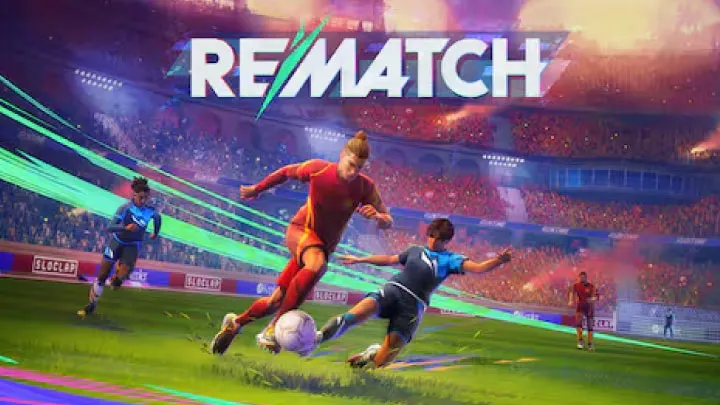
Released in 2023, Rematch brings players into a vibrant world where they can choose from a roster of unique characters, each with their distinct abilities and playstyles. Matches take place in various dynamic arenas designed to enhance competitive play. Players can utilize environmental elements while developing strategies that incorporate their characters’ strengths and weaknesses.
The Importance of Competitive Balance
As an arena brawler, Rematch thrives on competition and skill-based gameplay. Competitive balance is crucial to the game’s longevity and success, driving player enjoyment and retention. When certain characters or abilities dominate others, it can lead to dissatisfaction among players, particularly those who prefer underdog characters. Maintaining a fair and balanced competitive environment is essential for player engagement and the overall health of the game.
Understanding Competitive Imbalance
Key Components of Competitive Fairness
Competitive fairness in games like Rematch relies on several factors, including character balance, effective matchmaking, and mechanics that promote skill-based play.
Character Balance
- Ability Viability: Each character should have a range of viable abilities that allow them to compete on equal footing, ensuring no one character becomes overwhelmingly powerful.
- Counterplay Potential: A balanced character should have clear counterplay options, allowing players to strategically counter opposing abilities.
Impact of Competitive Imbalance
When competitive imbalance presents itself, it can lead to a frustrating experience for many players. If one character consistently outperforms others, matchups can feel lopsided, detracting from the thrill of competition.
- Player Frustration: Players may become disillusioned if they feel forced to select certain characters or strategies to remain competitive, leading to a lack of diversity in gameplay.
- Reduced Engagement: A lack of balance may drive players away from the game, as they seek more equitable experiences in other titles.
Analyzing Character Strengths and Weaknesses
Detailed Character Assessments
To identify areas of imbalance, it’s essential to conduct thorough analyses of each character in Rematch. Understanding their strengths and weaknesses provides insight into their competitive viability.
Character Abilities and Roles
- Character Roles: Categorizing characters into roles—such as tanks, damage dealers, and support—helps clarify their intended contributions within the game’s ecosystem.
- Ability Costs and Cooldowns: Assessing the costs and cooldowns associated with character abilities is crucial for establishing balance. If a character can spam powerful abilities frequently without penalties, they may dominate the match.
Data-Driven Analysis
Utilizing data collected from player matches can provide insights into character performance. Analyzing win rates, pick rates, and player feedback can help pinpoint characters that may need adjustments.
- Win Rate Analysis: Monitoring the win rates of characters over time can highlight potential imbalances based on how often they achieve victory.
- Player Feedback Surveys: Engaging the community through surveys can gather qualitative and quantitative data on character performance and player impressions.
The Role of Matchmaking
Importance of Fair Matchmaking
Effective matchmaking is vital for creating fair and engaging competitive experiences. Players should be matched with and against others of similar skill levels to ensure balanced gameplay.
Algorithmic Complexity
- Skill Ratings: Incorporating skill ratings based on player performance can help create more equitable matches. Players with similar rankings should face one another to enhance competitive integrity.
- Dynamic Adjustments: Allowing the matchmaking algorithm to dynamically adjust based on certain metrics can help prevent instances of stacking the teams with known top performers.
Challenges in Implementation
While creating a fair matchmaking system, there are inherent challenges. Technical limitations and player behavior can impact the effectiveness of the matchmaking process.
- Smurfing: Experienced players creating alternate accounts can disrupt matchmaking, forcing newcomers into challenging matches that may not provide a fair experience.
- Queue Times: Striking a balance between fast queue times and match quality can be difficult. Longer wait times may frustrate players seeking quick matches.
Addressing Competitive Balance Through Updates
Importance of Continuous Updates
Balancing a competitive game like Rematch is an ongoing commitment. Periodic updates can address character balance, improve matchmaking, and incorporate player feedback.
Regular Balance Patches
- Character Adjustments: Implementing regular patches to adjust character abilities, resistances, and attributes maintains a dynamic competitive landscape.
- Analyzing Community Feedback: Listening to player feedback when conducting balance changes enhances the game’s responsiveness to community needs.
Testing Changes Before Launch
Developers can utilize a testing environment to assess the impact of changes before implementing them in the live game. This approach minimizes potential disruptions to the player experience.
- Public Test Servers: Offering a public test server allows players to experience changes firsthand and provide feedback before they are fully rolled out.
- Internal Evaluation: Conducting internal evaluations of balance changes helps preemptively identify issues that may arise from adjustments.
The Role of Community Engagement
Building an Engaged Community
Engaging the player community is critical for maintaining interest in Rematch. Community feedback and communication significantly impact the game's development and future.
Transparent Communication
- Developer Updates: Regularly updating the community on development processes and balancing decisions fosters trust and investment among players.
- Open Forums: Utilizing forums and social media for discussions can allow the player base to voice concerns and share insights.
Community-Driven Initiatives
Developing community-driven initiatives broadens engagement and strengthens the game’s ecosystem. Events, challenges, and tournaments can foster excitement and player loyalty.
- Community Challenges: Organizing challenges may incentivize players to engage with lesser-used characters, promoting diversity in the gameplay.
- Tournaments: Hosting tournaments can showcase high-level play while building a sense of camaraderie and competitiveness within the player base.
Enhancing the Competitive Experience
Creating Thrilling Moments
While balancing mechanics and accessibility is vital, enhancing the competitive experience can lead to memorable moments for players. Finding ways to make each match feel unique contributes to the overall enjoyment.
Environmental Interactions
- Dynamic Arenas: Implementing environmental elements that can alter gameplay (such as destructible objects or traversal paths) keeps matches exciting and unpredictable.
- Signature Moments: Ensuring that players experience signature moments—like game-changing plays or epic comebacks—fuels engagement and encourages players to return for more.
Adding Customization Options
Introducing options for character customization can further personalize the player experience while enhancing competitiveness.
- Cosmetic Customization: Allowing players to customize character appearances helps create a deeper connection to their chosen champions.
- Aesthetic Rewards: Offering rewards for performance in matches can incentivize players to engage with various mechanics, creating a more vibrant competitive landscape.
Future Directions for Competitive Balance
Long-Term Vision for the Game
As Rematch continues to evolve, establishing a long-term vision for balancing competitive fairness is crucial. Developers should prioritize analytics, player feedback, and innovation to sustain engagement.
Embracing Diversity in Gameplay
- Introducing New Content: Regularly introducing new characters, arenas, and modes can prevent stagnation while allowing players to experiment with different strategies.
- Expansion of Lore: Developing lore and narratives that connect characters and gameplay can further engage players and create a more immersive experience.
Balancing Innovation with Integrity
While innovation is essential for keeping gameplay fresh, maintaining the integrity of competitive balance should remain a priority. Finding this equilibrium fosters a healthy, engaging community.
Conclusion
In Rematch, the challenge of balancing competitive fairness is an essential aspect of creating a high-quality gaming experience. By focusing on character balance, effective matchmaking, and community engagement, the developers can enhance both player satisfaction and continued engagement. As Rematch evolves, a commitment to refining gameplay mechanics while listening to the player base will be critical for maintaining a thriving competitive landscape. Ultimately, achieving this balance will ensure Rematch stands out as a leader in the arena brawler genre, captivating both seasoned players and newcomers alike