


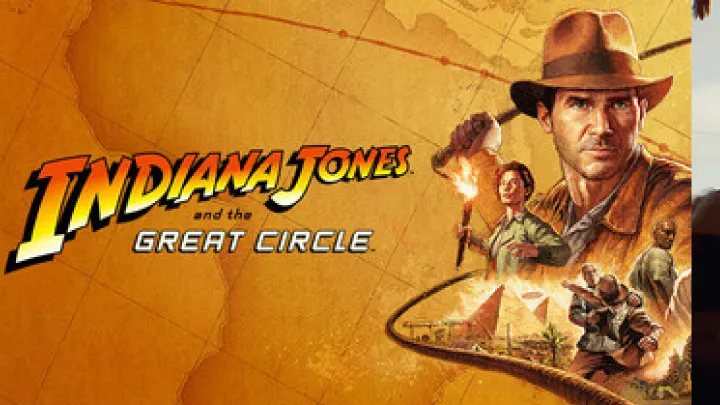
Indiana Jones and the Great Circle transports players into the adventurous world of the iconic archaeologist, offering thrilling quests laden with puzzles, exploration, and action. However, amid the excitement and nostalgia, a significant issue arises: the pacing of the narrative and how it interplays with gameplay, creating moments of both intense engagement and frustrating slowdowns. This article will explore the intricacies of narrative pacing in Indiana Jones and the Great Circle, examining how it affects player experience, immersion, and engagement.
The Essence of Storytelling in Indiana Jones Games
The Indiana Jones franchise is renowned for its engaging storytelling, rich character development, and action-packed sequences. Indiana Jones and the Great Circle aims to capture this essence by weaving a narrative that compels players to dive deeper into the game's world.
Narrative Structure in the Game
The game utilizes a classic three-act structure, following Indiana Jones as he uncovers a conspiracy related to ancient artifacts and deals with various antagonistic forces.
Key Story Arcs
- Introduction of the Quest: Players are introduced to the plot, setting the stage with a captivating history connected to the Great Circle.
- Rising Tension: The middle act escalates the stakes, presenting challenges and new enemies that deepen character motivations.
- Climax and Resolution: Players face the ultimate confrontation, culminating in a satisfying conclusion tied to the narrative's central themes.
Expanding Character Development
An important aspect of the game's storytelling is the focus on character development. Players experience Indiana's journey not just through external conflict but also through his relationships and personal growth.
Character Relationships
- Allies and Mentors: Characters such as Marcus Brody may serve as mentors, offering wisdom and guiding players through puzzles.
- Rivalries and Antagonists: Enemies like archaeologists or rival treasure hunters provide a foil to Indiana's values and strategies.
The Importance of Pacing in Gameplay
Pacing is essential in maintaining player engagement. A well-paced narrative keeps players enthralled, while uneven pacing can lead to frustration and disengagement.
Balancing Action and Exploration
Indiana Jones and the Great Circle strives to balance high-octane action with moments of exploration and puzzle-solving that are hallmark features of the series.
Fast-Paced Action Sequences
- Combat Mechanics: Action sequences can engage players through thrilling combat mechanics, involving both melee and ranged attacks.
- Chase Sequences: Cinematic chase sequences keep adrenaline levels high, ensuring players feel the thrill of Indiana's adventures.
The Need for Breathing Room
However, alternating between intense action and quieter exploration is vital for pacing. Players need moments to absorb the story, explore their surroundings, and engage with the narrative.
Risk of Overloading Players
- Excessive Action: Too many fast-paced sequences can overwhelm players, leading to fatigue or disengagement.
- Neglecting Exploration: Skipping exploration opportunities to rush ahead may result in missed narrative elements, reducing the story's richness.
The Impact of Story Beats on Player Engagement
The pacing of story beats directly influences how players connect with the narrative and characters. Knowing when to escalate tension and when to provide respite is critical to the player experience.
Engaging Story Beats and Their Timing
Timing is essential when delivering story beats. Effective pacing ensures that key revelations and character developments have the desired impact on players.
Examples of Effective Timing
- Plot Twists: Well-timed plot twists can reignite player interest, motivating them to continue playing as they uncover new information.
- Character Moments: Intimate moments between characters can enhance emotional engagement, especially when placed between intense action sequences.
Challenges in Story Timing
Despite careful planning, issues can arise with the timing of story beats, leading to player frustration.
Signs of Poor Timing
- Delayed Revelations: Holding back crucial information for too long can lead to impatience and dissatisfaction.
- Rushed Resolutions: Concluding pivotal arcs too quickly can leave players feeling unfulfilled and robbed of emotional payoff.
The Role of Puzzles in Pacing
Puzzles are a trademark of the Indiana Jones series, serving as both gameplay mechanics and narrative devices. However, they can also impact pacing significantly when not designed with care.
Balancing Puzzle Difficulty
The difficulty of puzzles needs to align with the overall pacing of the game. Players should feel challenged but not overwhelmed by tasks that disrupt the flow of play.
Design Considerations
- Gradual Complexity: Puzzles should progressively increase in difficulty, allowing players to build their skills without feeling lost or frustrated.
- Clear Cues: Providing players with hints or visual cues ensures they remain engaged and do not stall the narrative's progress.
The Risk of Stalling Gameplay
Poorly designed puzzles can lead to roadblocks, interrupting the flow of the game and diminishing pacing.
Examples of Negative Impact
- Confusing Mechanics: Puzzles that are obscure or overly complicated may force players to spend excessive time searching for solutions.
- Frustration with Execution: If players struggle to execute simple mechanics due to clunky controls or poorly communicated tasks, their enjoyment may quickly diminish.
Player Agency and Story Engagement
Player agency—the ability to make meaningful choices—plays a crucial role in how invested players feel in the narrative and their surroundings.
Empowering Players with Choices
Balatro should strive to provide players with options that allow them to influence the storyline and character interactions.
Examples of Player Agency
- Dialogue Choices: Giving players the freedom to select dialogue options can alter character relationships and story outcomes.
- Exploration Paths: Allowing players to explore different paths within levels broadens their experience and deepens their connection to the story.
The Balancing Act of Agency
However, offering choices creates a delicate balance between pacing and player agency. If choices derail the narrative flow, it can lead to disjointed experiences.
Maintaining Engagement through Choice
- Consequences of Decisions: Players need to feel that their choices have meaningful impacts on the narrative, enhancing their engagement with the game world.
- Story Integration: Ensuring that choices seamlessly integrate into the story maintains the pacing without sacrificing player agency.
Community Feedback and Developer Responsiveness
The community's reactions to pacing and narrative structure can provide developers with valuable insights that inform future updates and expansions.
Gathering Player Insights
Developers should actively seek feedback from the community regarding pacing and narrative engagement, leveraging insights to enhance player experiences.
Methods for Collecting Feedback
- Online Surveys and Polls: Surveys can gauge player sentiment about pacing and narrative flow, offering quantifiable data for developers.
- Community Forums: Engaging players in active discussions can highlight specific concerns while fostering a sense of involvement.
Implementing Community Suggestions
Listening and responding to community feedback is essential for developers, as it directly influences how they approach narrative pacing and gameplay mechanics.
Examples of Development Response
- Adjusting Pacing Based on Feedback: Developers may choose to implement changes in response to complaints about pacing or frustrating gameplay mechanics.
- Incorporating New Features: Players may suggest features that enhance narrative flow, and developers should be open to these ideas for future updates and content.
Future Directions for Indiana Jones and the Great Circle
Looking ahead, the future development of Indiana Jones and the Great Circle should focus on optimizing narrative pacing and addressing player concerns related to gameplay mechanics.
Emphasizing Continuous Improvement
To keep the player base engaged, developers need to remain adaptable and responsive to the evolving needs of their audience.
Areas for Improvement
- Enhanced Storytelling Techniques: Implementing innovative storytelling methods that deepen player engagement while maintaining pacing.
- Replayability Options: Creating scenarios or modes that allow players to experience different story outcomes can enhance the lifetime value of the game.
Building a Supportive Community
Establishing a strong community around Indiana Jones and the Great Circle can lead to ongoing engagement and investment in the game.
Strategies for Community Engagement
- Collaborative Events: Organizing events that encourage player participation strengthens community ties and fosters excitement.
- Feedback Workshops: Hosting discussions that allow players to express their ideas for the game ensures they feel valued and heard.
Conclusion
Indiana Jones and the Great Circle offers a captivating narrative and immersive gameplay experience, but the pacing of the story and how it intertwines with mechanics remains a critical challenge. Balancing nostalgia and innovation, managing player agency, and responding to community feedback are essential components to enhance the overall experience. By focusing on continuous improvement and fostering a supportive community, the developers can create an engaging journey that resonates with both new and veteran fans of the franchise.