

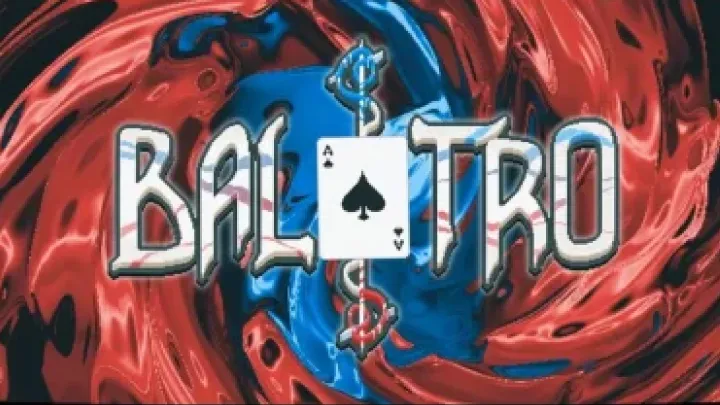
Balatro, a unique blend of card-based strategy and roguelike mechanics, has garnered a dedicated following among fans of deck-building games. Players face challenges as they progress through dungeons with a focus on strategic deck management. However, one significant issue that arises within Balatro is the balance between deck building and player agency. This article will delve into the intricacies of deck management in Balatro, examining how this tension affects gameplay, player engagement, and overall satisfaction.
Understanding Deck Management in Balatro
At the core of Balatro's gameplay is the concept of deck management. Players must curate their decks while adapting their strategies to the enemies they encounter and the challenges presented in each run.
The Importance of Deck Composition
Deck composition plays a crucial role in determining a player’s success in Balatro. The cards available to players influence their abilities to overcome obstacles, defeat enemies, and navigate dungeons.
Key Components of Deck Management
- Card Types: Cards can be categorized into different types, such as attack, defense, and utility, each serving a specific purpose in gameplay.
- Synergies: Building synergies among cards can provide powerful combos, enhancing a player's effectiveness during encounters.
- Card Rarity and Power: The rarity of cards directly influences their potential impact in the game, with rare cards often providing more potent abilities.
The Dynamics of Card Acquisition
As players navigate through dungeons, the strategy of acquiring and choosing cards becomes critical. The randomness of card draws introduces an element of unpredictability, challenging players to adapt their strategies on the fly.
Strategies for Card Acquisition
- Choosing Wisely: Players must evaluate which cards to acquire based on their current strategy, existing deck composition, and the enemies they anticipate facing.
- Risk and Reward: Deciding whether to take chances on powerful but situational cards can lead to exhilarating victories or devastating defeats.
The Challenge of Player Agency in Deck Management
While the mechanics of deck management are engaging, players may struggle to maintain a sense of agency over their choices due to the inherent randomness of card draws.
The Influence of Randomness
The randomness in Balatro can lead to situations where players feel their deck is not adequately equipped for the challenges they face. This can diminish player agency and engagement.
Frustration from Unfavorable Draws
- Unbalanced Runs: Players who experience a string of unfavorable card draws may feel powerless and frustrated, impacting their overall enjoyment.
- Dependency on Luck: A heavy reliance on luck can overshadow strategic decision-making, undermining the tactical depth players seek.
Balancing Randomness and Player Agency
To create a satisfying experience, developers must find a balance between randomness and player choices, ensuring that players feel empowered even when the deck-building process is unpredictable.
Potential Solutions
- Implementing Card Cycling: Introduce mechanics that allow players to cycle through their cards, increasing their chances of drawing desired options.
- Feedback Loops: Providing players with immediate feedback on their card choices can reinforce strategic decision-making while minimizing the frustration of random draws.
The Role of Synergy in Strategic Depth
Balatro's engaging gameplay also hinges on the synergy among cards, allowing players to create powerful combinations that enhance their chances of success.
The Importance of Synergistic Decks
Building a deck around synergy can significantly boost effectiveness in encounters. Players must consider not only individual card utility but also how they work together as a whole.
Examples of Powerful Synergies
- Combo Attacks: Certain card combinations can trigger extra damage or effects, amplifying the impact on foes.
- Defensive Strategies: Combining defensive cards can create impenetrable designs that protect allies, allowing them to launch more effective attacks.
Identifying Synergies
Players should actively look for and prioritize cards that synergize well with their chosen strategy, ensuring they optimize their decks for maximum effectiveness.
Strategies for Identifying Favorable Combos
- Building with a Vision: Players should have a long-term strategy in mind when selecting cards, considering how new acquisitions will affect already-established synergies.
- Adapt and Evolve: As players progress, they should remain flexible and adjust their approaches based on new synergies that emerge.
The Emotional Spectrum of Deck Building
Managing a deck involves not just strategic decisions but also emotional responses. The thrill of building an effective deck can be exhilarating, while the disappointment of poor card draws can lead to frustration.
The Emotional Highs and Lows
Players experience a spectrum of emotions as they build, adjust, and ultimately play their decks. These emotional connections can deepen player engagement.
Moments of Triumph and Defeat
- Elation at Success: Successfully executing a well-constructed deck during a challenging encounter can create a profound sense of accomplishment.
- Frustration from Setbacks: Conversely, losing a run due to unfortunate card draws can lead to feelings of bitterness, potentially diminishing enthusiasm for future sessions.
Emphasizing Emotional Engagement
Developers should recognize the importance of emotional engagement in gameplay. By enhancing the rewards of success and minimizing feelings of frustration, the overall player experience can be elevated.
Strategies for Emotional Reinforcement
- Celebrating Successes: Implementing celebratory animations or rewards can heighten the joy of victories and bolster player confidence.
- Encouraging Resiliency: Offering insight or helpful tips after failures can guide players toward improvement while fostering a sense of progress.
Community Dynamics and Player Feedback
The player community surrounding Balatro can heavily influence gameplay perceptions and expectations. Engaging with community dynamics provides developers with valuable insights.
Gathering Community Feedback
Active engagement with the community can reveal valuable insights into gameplay mechanics, balance issues, and player preferences.
Methods of Community Involvement
- Surveys and Polls: Conducting community surveys can provide quantitative data about player experiences and desired features.
- Forums and Discussion Groups: Creating spaces for community discussions allows players to share strategies and provide feedback on their experiences.
Influence of Community Responses
Player feedback significantly impacts how developers approach game updates and balance adjustments, ensuring that community needs are met.
Adapting to Player Preferences
- Responsive Development: Actively considering player feedback when shaping updates can build trust within the community and boost player satisfaction.
- Implementing Desired Features: Being willing to explore community-suggested ideas for gameplay improvements can create a uniquely engaging experience.
The Challenge of Balance in Card Mechanics
Ultimately, the challenge of balancing card mechanics lies at the heart of creating a fulfilling and engaging experience for players. Players must feel that they have the tools necessary to succeed, even when faced with randomness and challenge.
Strategies for Achieving Balance
Developers must ensure that players feel empowered by their choices without over-relying on luck or randomness in their gameplay.
Key Approaches for Balancing Mechanics
- Intuitive Gameplay Flow: Ensuring that card mechanics operate smoothly can help players feel more in control of their actions, regardless of luck.
- Diverse Strategies: Incorporating multiple strategies encourages exploration and creativity, allowing players to tailor their experiences.
Ensuring Long-Term Engagement
Providing ongoing improvements and balancing efforts is essential for maintaining player interest in Balatro.
Developing a Sustainable Model
- Dynamic Updates: Frequent updates that incorporate player feedback can foster a sense of community and continuous improvement.
- Incentivizing Exploration: Rewarding players for trying different strategies and decks encourages ongoing engagement and investment in the game.
Future Directions for Balatro
As Balatro continues to evolve, focusing on the balance between nostalgia and innovation, along with player feedback and community dynamics, will be essential for maintaining player engagement.
Encouraging Ongoing Development
Developers should remain open to continuously improving gameplay mechanics based on community feedback and evolving trends in the gaming landscape.
Areas to Explore
- Expanding Content: Introducing new cards, mechanics, and strategies can invigorate gameplay and keep it fresh.
- Innovative Features: Exploring unique mechanics tailored to the player experience can enhance engagement and attract new players.
Strengthening Community Bonds
Fostering a supportive community that engages in meaningful dialogue about the game can retain existing players while attracting newcomers.
Strategies for Strengthening Community Engagement
- Hosting Events: Organizing events or tournaments can enhance community spirit and encourage participation from players.
- Interactive Streams: Engaging with players through live streams or Q&A sessions can build a stronger connection between developers and the player base.
Conclusion
Balatro presents a compelling exploration of deck management and player agency, weaving together elements of strategy and emotional engagement. The balance between nostalgia and innovation, the influence of community dynamics, and the challenge of gameplay mechanics all correlate to create a uniquely thrilling experience. By focusing on player feedback, addressing performance balance, and providing ongoing updates, the developers can ensure that Balatro continues to captivate audiences for years to come.