.webp) karingame.com
karingame.comHow to Build a Connected Story World in Toca Boca World: A Complete Guide to Character Design, Home Layouts, and Story Progression
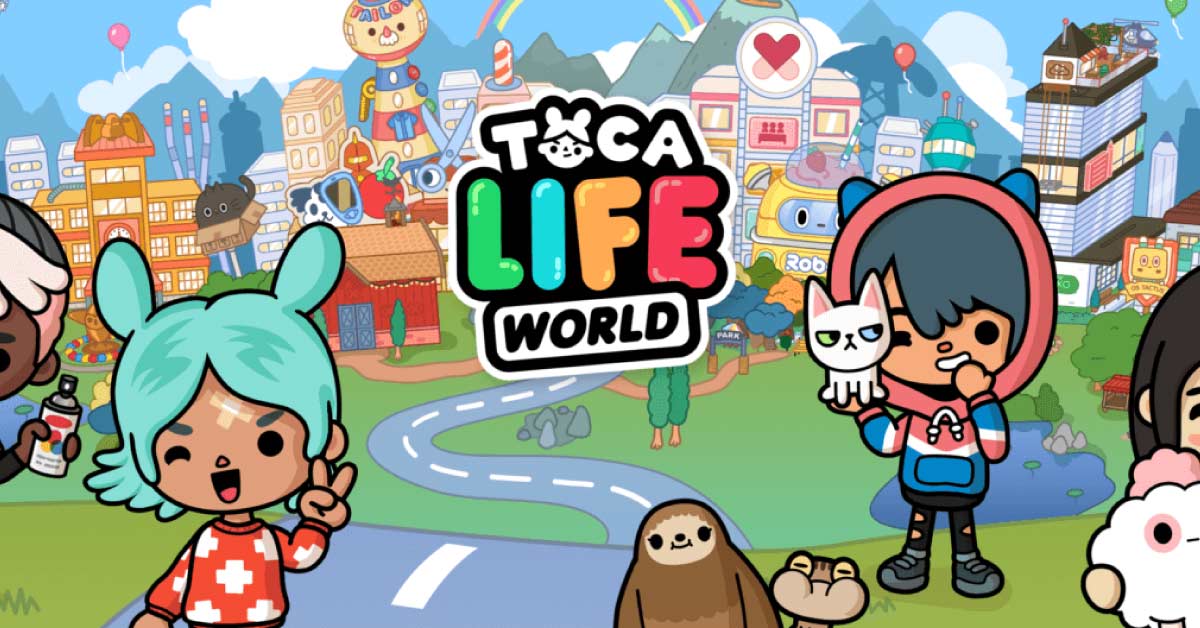
Toca Boca World is more than a collection of colorful locations, customizable characters, and decorative objects. One of its most engaging creative challenges is building a connected world where every character has a purpose, every room supports a story, and every location feels like part of the same fictional universe. Players can transform ordinary houses, shops, restaurants, schools, and other locations into places filled with personal details and imaginative possibilities. However, creating a world that feels consistent rather than randomly assembled requires planning, experimentation, and an understanding of how the game's creative systems work together.
The central challenge is continuity. A character might have a beautifully decorated bedroom, a carefully selected outfit, and a detailed daily routine, but these elements become much more interesting when they connect to other parts of the world. A bedroom can reveal a character's personality, a kitchen can become the center of family interactions, and a neighborhood shop can introduce new relationships or story conflicts. Instead of decorating every location independently, players can develop a connected environment in which objects, characters, and spaces support a larger narrative.
This guide explores how to create a coherent Toca Boca World through ten stages, beginning with a clear concept and progressing through character creation, interior design, object placement, daily routines, storytelling, and long-term world development. The focus is not simply on making attractive rooms, but on using the game's creative possibilities to build a detailed, memorable world that remains interesting to revisit.
1. Establishing a Clear Concept Before Building Your World
The first step in building a connected Toca Boca World is deciding what kind of fictional environment you want to create. Without a central concept, it is easy to decorate several rooms, introduce multiple characters, and collect attractive objects without establishing a meaningful connection between them. A concept gives these decisions direction. For example, you might create a family living in a small apartment above a neighborhood bakery, a group of students attending school while sharing a house, or a community in which every character has a different job and personal ambition.
A useful concept should be specific enough to guide creative decisions but flexible enough to support unexpected ideas. A story about a family-owned bakery, for instance, can include a home, a kitchen, a storefront, a storage room, and a nearby park. Each location serves a different function, yet all of them belong to the same fictional community. The bakery owner might prepare products in the morning, interact with customers during the day, and return home in the evening. This creates natural connections between locations without requiring complicated plotlines.
Before decorating, write down a few foundational details about the world:
- Main setting: Decide whether the story takes place in a family home, a busy neighborhood, a school community, or a small business.
- Central characters: Choose the people whose lives will connect the different locations.
- Main activity: Identify the activity that gives the world its identity, such as running a shop, attending school, organizing family events, or exploring friendships.
- Visual style: Select a consistent approach to colors, furniture, clothing, and decorations.
- Story direction: Decide what changes over time, such as a character starting a new job, moving into a new home, or preparing for a celebration.
Once these foundations are established, individual creative decisions become easier. A piece of furniture is no longer attractive merely because it looks interesting; it also needs to fit the setting, the character, or the story. This approach helps prevent a common creative problem: building many visually appealing spaces that do not feel as though they belong to the same world.
 2. Designing Characters with Distinct Personalities and Roles
Characters are the foundation of a connected story because they give every location a reason to exist. A bedroom becomes more meaningful when its owner has recognizable interests, and a workplace becomes more convincing when the character using it has a clear role. In Toca Boca World, character customization allows players to experiment with appearances, clothing, hairstyles, and other visual details. These choices can communicate personality before a character performs any action.
Start by giving each important character a small set of defining traits. One character might be organized and practical, another creative and impulsive, and a third shy but observant. These traits should influence the way you dress them, arrange their belongings, and place them in different situations. An organized character might have neatly arranged shelves and a carefully maintained bedroom, while an artistic character might collect colorful objects, keep materials nearby, and use a more experimental combination of colors.
Character roles also help connect separate locations. A parent who manages a café may need work clothes, a home kitchen, and a regular route between the house and the café. A student might have school supplies, a backpack, a bedroom desk, and a favorite place to spend time after class. These details create visual continuity because the same character carries recognizable objects and habits between locations.
A practical character-planning list includes:
- Name and approximate age within the fictional story.
- Personality traits and personal interests.
- Everyday clothing and an alternative outfit for special occasions.
- Favorite objects, hobbies, or foods.
- Important relationships with other characters.
- Main locations where the character appears.
- A personal goal that can develop over time.
Avoid making every character equally important or giving everyone identical personalities. A connected world becomes more convincing when characters have different priorities and occasionally disagree. A character who wants to keep a home tidy might clash with a sibling who constantly experiments with decorations. Such differences provide natural opportunities for funny scenes, family discussions, and continuing stories without requiring dramatic or complicated conflicts.
3. Planning a Home Layout That Supports Everyday Life
A home in Toca Boca World should communicate how its residents live. Instead of filling every available space with furniture, begin by deciding what each room needs to accomplish. A bedroom supports rest and personal activities, a kitchen provides a place for preparing meals, a living room encourages shared activities, and a bathroom completes the practical side of the household. Even in an imaginative home, giving rooms recognizable purposes makes the environment easier to understand and use in stories.
Start with the largest furniture pieces before adding smaller decorations. Place beds, sofas, tables, kitchen counters, and storage units first. These objects establish the room's structure and determine how much space remains for additional details. Try to preserve clear areas where characters can be positioned and objects can be moved during storytelling. A room that looks attractive in a static screenshot might be inconvenient when you want to create a scene involving several characters, a meal, or a celebration.
Next, develop a consistent visual identity for the home. You could use warm wood tones, soft neutral colors, and green plants for a comfortable family setting. A modern apartment might feature simpler furniture arrangements and a more restrained color palette, while a playful children's bedroom could combine bright colors, decorative toys, and imaginative accessories. Different rooms do not need to look identical, but they should share a few visual elements that make them feel connected.
A useful approach is to divide the home into three layers:
- Functional layer: Beds, chairs, tables, counters, storage, and other essential furniture.
- Personality layer: Books, toys, hobby materials, photographs, plants, and personal collections.
- Story layer: Objects that suggest an event, relationship, secret, or upcoming activity.
The story layer is particularly important. A packed suitcase beside the front door can suggest an upcoming trip, while a birthday cake in the kitchen can indicate that someone is preparing a surprise. These details turn decoration into a storytelling tool. The best home layouts are not necessarily the largest or most expensive-looking ones; they are the ones that make everyday activities and character interactions easy to imagine.
4. Using Small Objects to Reveal Hidden Stories
Small objects can make a substantial difference in Toca Boca World because they provide clues about what characters do when they are not directly involved in a scene. A book left beside a bed suggests reading habits, a collection of art materials hints at a creative hobby, and a half-organized desk can communicate that a character has been working on something important. These details allow players to develop personalities through the environment rather than explaining everything through dialogue or narration.
To use objects effectively, assign them a purpose before placing them. Consider a character who dreams of becoming a chef. Their room might contain cooking books or food-related decorations, while the kitchen could include ingredients and utensils arranged for an upcoming recipe experiment. If the character later prepares a meal for their family, the same objects become part of a continuing narrative. Reusing objects in this way creates a stronger sense of continuity than introducing unrelated decorations every time you create a new scene.
Object placement can also communicate change. At the beginning of a story, a character's desk might be cluttered with unfinished projects. After they complete an important task, you can reorganize the desk and display the finished result. A shelf that gradually fills with souvenirs can record a character's adventures, while a previously empty corner can become a hobby area as the character discovers a new interest.
Here are several ways to make object placement more meaningful:
- Place personal belongings in the rooms where characters would naturally use them.
- Keep recurring objects recognizable across different scenes.
- Use contrasting arrangements to distinguish characters with different habits.
- Leave occasional empty spaces so important objects stand out.
- Move or rearrange objects when the story reaches a meaningful turning point.
The key is restraint. Too many objects can make a room visually confusing and reduce the importance of individual details. Select a few items that communicate something specific about the character or the current situation. A carefully positioned gift, an unfinished painting, or a mysterious package may create more curiosity than an entire room filled with random decorations.
5. Connecting Multiple Locations into One Neighborhood
Once the home is established, the next challenge is making the rest of the world feel connected. Separate locations become more meaningful when characters have reasons to travel between them. A school, restaurant, store, park, or workplace should not exist only as an isolated place to decorate. Each location can contribute to a character's routine, introduce new relationships, or provide the setting for a significant event.
Begin by mapping the connections between locations. For example, a family home might connect to a bakery where one character works, a school attended by another character, and a nearby park where friends meet after their daily activities. You do not need to create a complicated map. A simple list of locations and the characters associated with each one is enough to establish a coherent structure.
Think about how these places support one another. The bakery can provide food for a family gathering at home. The school can introduce a friendship that develops during an afternoon visit to the park. A store can become the destination for a shopping trip before a birthday celebration. These connections make the world feel active because events in one location can influence what happens somewhere else.
For a connected neighborhood, consider these practical principles:
- Give each location a clear purpose in the overall story.
- Establish at least one character who regularly visits each important location.
- Reuse recognizable clothing, accessories, and personal belongings where appropriate.
- Create recurring destinations for birthdays, family meals, school activities, and social gatherings.
- Introduce new locations when the story genuinely needs them instead of expanding endlessly.
It is also useful to distinguish between everyday places and special destinations. A home or school might appear in nearly every chapter of a story, while a vacation destination or unusual event location appears only occasionally. This contrast helps important scenes feel different from ordinary routines. By gradually expanding the neighborhood, you can create a world that feels larger without losing track of its central characters.
6. Creating Daily Routines That Make Characters Feel Alive
Daily routines are an effective way to turn a collection of locations into a believable fictional world. A character who wakes up, gets dressed, eats breakfast, travels to school or work, and returns home has a recognizable pattern. You can represent these activities by moving characters between locations and arranging objects to reflect what they are doing. Although the game does not require players to follow a fixed schedule for creative storytelling, an invented routine provides a useful framework for organizing scenes.
Start by selecting one character and outlining a typical day. A student might begin in their bedroom, eat breakfast with family members, attend school, meet a friend, and return home to finish a project. A bakery owner might prepare ingredients, open the shop, serve customers, clean the workspace, and relax at home. Each activity creates an opportunity to use different parts of the world and show a different aspect of the character's personality.
Once the routine works for one character, introduce the schedules of other characters. Their activities can overlap naturally. A parent may leave for work while a child prepares for school, and both may return home later for dinner. A friend might visit the bakery during a break, creating an interaction between characters who otherwise occupy different parts of the world. These overlapping routines help establish relationships through repeated encounters.
To make routines interesting rather than repetitive, introduce small changes. A character might forget an item, receive an unexpected visitor, prepare a special meal, or spend the afternoon pursuing a hobby. The everyday structure remains recognizable, but individual days develop different meanings.
A simple routine-planning framework includes:
- Morning: Waking up, getting dressed, eating breakfast, and preparing for the day.
- Afternoon: School, work, errands, hobbies, or meeting friends.
- Evening: Returning home, eating dinner, sharing activities, and relaxing.
- Special occasions: Celebrations, surprises, unexpected visits, or important personal milestones.
These stages can become the basic structure for a series of short stories. Each scene begins with familiar activities before introducing a new event. Over time, repeated routines make characters feel more recognizable, while small variations keep the world engaging.
7. Building a Story Through Small Events and Character Decisions
A connected environment becomes especially rewarding when it supports a continuing story. Rather than inventing a dramatic event for every scene, begin with a small problem that matters to a character. Someone might want to organize a surprise birthday party, save money for a personal goal, improve a messy room, or make a new friend at school. These situations are easy to represent using locations, objects, and character movements already available in the game.
A useful storytelling structure has three stages: preparation, the main event, and the outcome. During preparation, characters gather supplies, rearrange furniture, select outfits, or discuss their plans through your own imagined dialogue. The main event introduces the activity or problem. The outcome shows how the characters respond and what changes afterward. For example, a surprise party might begin with decorating the living room, continue with the guest arriving unexpectedly, and end with the family sharing cake and photographs.
The most interesting stories often involve choices rather than simply moving characters from place to place. A character may decide whether to reveal a surprise, help a friend, apologize after a disagreement, or take responsibility for a mistake. These decisions provide a reason for the story to continue. You can communicate them through character positioning, changes in facial expression or appearance where available, and the objects arranged around the scene.
Consider a simple storyline about a neighborhood bakery:
- The baker prepares a new recipe and displays it in the shop.
- A friend visits and suggests offering it at an upcoming celebration.
- The characters organize the ingredients and prepare the bakery.
- An unexpected problem requires them to change their plans.
- The characters work together and complete the preparation.
- The finished event becomes a memorable moment for the neighborhood.
This example uses ordinary activities to create progression. It also gives several locations a shared purpose, allowing the home, shop, and celebration space to participate in the same narrative. By building stories around recognizable characters and achievable events, you can create a series that feels connected without needing a complicated fictional universe.
 8. Organizing Special Events, Holidays, and Seasonal Changes
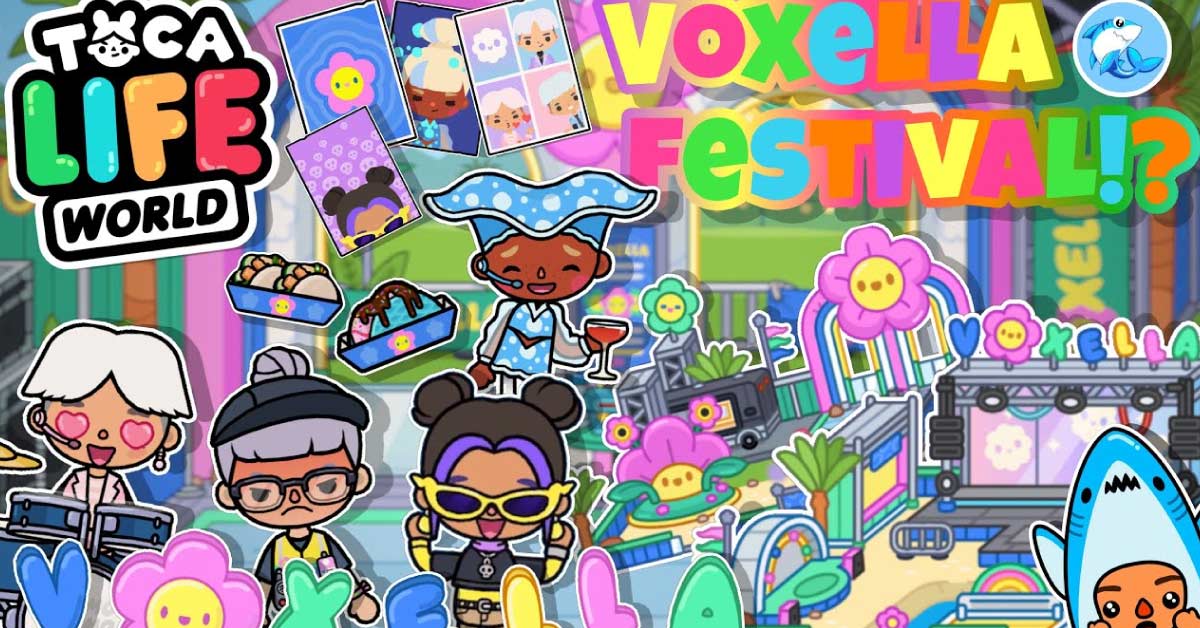
Special events provide natural opportunities to transform familiar locations. A birthday, school celebration, family dinner, seasonal gathering, or neighborhood party can give a story a clear objective and a visual change. Because these occasions require preparation, they also allow players to reuse existing furniture and decorations in new arrangements instead of constantly creating entirely new spaces.
Begin by choosing the event and deciding who is responsible for organizing it. A birthday celebration might involve one character preparing the room, another selecting a gift, and a third arranging food. These roles create a reason for characters to visit different locations before meeting at the main event. The preparations themselves can form several scenes, each revealing something about the relationships between the characters.
Decorations should support the purpose of the event. A birthday setup might feature a cake, gifts, balloons, and a gathering area. A family dinner might emphasize table arrangements, food, and comfortable seating. A school celebration could focus on shared activities and decorations appropriate to the setting. You can also use color to distinguish events: warm colors for a cozy family gathering, brighter combinations for a playful party, or a restrained palette for a formal occasion.
To make special events feel important, show both the preparation and the aftermath. Before the celebration, the room might be carefully organized and filled with supplies. Afterward, you can rearrange the objects to suggest that the characters have finished eating, opened gifts, or spent time together. This small visual transition communicates that time has passed and the event has affected the world.
Seasonal storytelling can follow a similar approach. You might create a summer outing, a rainy-day indoor activity, or a winter-themed gathering using available locations and decorations. These changes help prevent the world from feeling static. More importantly, returning to a familiar location with a new arrangement gives players a reason to revisit places they have already developed.
9. Maintaining World Continuity and Avoiding Creative Clutter
As your Toca Boca World expands, consistency becomes increasingly important. Adding new characters, locations, furniture, and storylines can be exciting, but uncontrolled expansion may make the world difficult to manage. Characters can lose their established personalities, important objects can disappear from the narrative, and locations can become overcrowded with details that no longer serve a clear purpose.
One solution is to maintain a simple world reference sheet. This can be a written note outside the game that records the main characters, their relationships, their homes, their everyday activities, and the events that have already occurred. You can also list important recurring objects and the locations where they belong. When you return to the project after several days, these notes help you continue the story without having to reconstruct every detail from memory.
Another useful technique is to review each location periodically. Ask whether its furniture supports the intended activities, whether its decorations communicate the character's personality, and whether the space remains usable for new scenes. If a room becomes too crowded, remove unnecessary objects or reorganize them into more meaningful groups. If a location no longer contributes to the story, you can leave it unchanged until a future storyline gives it a purpose.
A practical continuity checklist includes:
- Do characters retain their recognizable clothing styles and personalities?
- Do recurring objects appear in sensible places?
- Are relationships consistent with previous scenes?
- Does each location have a clear purpose?
- Have important story events produced visible changes where appropriate?
- Is there enough open space to arrange characters and objects?
- Can you easily explain what happens next in the story?
Continuity does not mean that everything must remain unchanged. Characters can move, develop new interests, change their appearance, and form new relationships. The important point is that these changes should have a reason within your imagined story. A character's room may become more organized after they develop better habits, or a spare room may turn into a hobby studio after a new interest emerges. Intentional changes make the world feel as though it is developing rather than simply accumulating content.
10. Turning Your World into a Reusable Creative Project
The final stage is making your world easy to revisit, expand, and use for different stories. Instead of treating every session as a completely separate activity, organize your creative work into recurring settings and story sequences. A family home might serve as the base for everyday episodes, while a school or workplace supports stories about friendships, responsibilities, and personal goals. Special locations can be reserved for occasional events that change the direction of the narrative.
You can also experiment with different ways of recording your stories. Screenshots can document room designs and character arrangements, while short written notes can preserve dialogue, plot points, and ideas for future episodes. If you enjoy creating videos or visual narratives, you can plan scenes in advance and capture the most important moments. Keep in mind that screenshots and recordings document your creative work; they do not automatically preserve every movable object or arrangement in a particular state, so check the game's available saving and editing features before making major changes.
A reusable project benefits from a simple episode structure. Each episode should have a central focus, a limited number of important locations, and a small change that gives the story a sense of progression. One episode might follow a character preparing for school, another might explore a friendship, and a third might focus on a family celebration. The characters and locations remain familiar, but the activities change enough to maintain interest.
You can plan future development using three categories:
- Immediate projects: Finish a bedroom, reorganize a kitchen, or prepare one character's daily routine.
- Next story episodes: Introduce a visitor, plan a celebration, or develop an existing friendship.
- Long-term changes: Expand a family, establish a new business, create a new neighborhood connection, or show a character pursuing a personal ambition.
This approach helps balance decorating with storytelling. It also prevents the project from becoming an endless cycle of starting new rooms without finishing existing ones. By completing small goals and recording meaningful changes, you build a world that becomes richer over time.
The ultimate goal is not to create the biggest possible collection of locations or the most elaborate interior design. It is to create a fictional environment that invites you to return. When characters have recognizable habits, objects have meaningful uses, and locations support continuing events, even a relatively small world can provide a wide range of creative possibilities.
Conclusion
Building a connected story world in Toca Boca World requires more than collecting furniture and arranging characters in attractive settings. The most effective approach begins with a clear concept, develops distinctive characters, and gives each location a practical and narrative purpose. From there, thoughtful object placement, recognizable daily routines, interconnected destinations, and small character-driven events help transform individual rooms into parts of a larger fictional community.
The process becomes even more rewarding when players maintain continuity, organize special events, and allow their characters and environments to change over time. A carefully arranged bedroom can reveal a character's interests, a neighborhood shop can connect several storylines, and an ordinary family dinner can become an important episode in a continuing narrative. Every detail does not need to be perfect, and every story does not need a dramatic conclusion. Consistency, imagination, and purposeful experimentation are enough to create a world that feels personal and memorable.
Ultimately, the greatest creative opportunity in Toca Boca World is the freedom to decide what happens next. Start with a manageable setting, develop a few meaningful characters, and build outward as new ideas emerge. By connecting locations through relationships and recurring events, you can turn your collection of customized spaces into a living fictional world that remains enjoyable to explore and expand.