
How to Play Minecraft Complete Beginner Guide
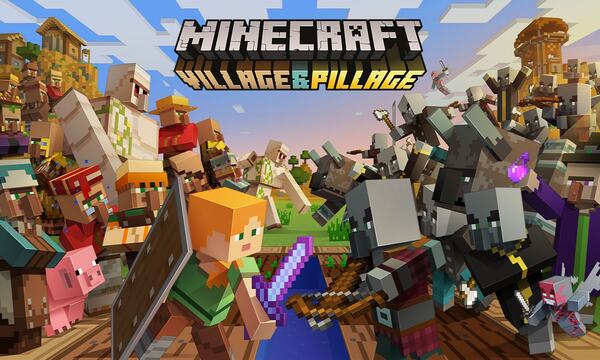
Minecraft is a popular sandbox adventure game that gives players the freedom to explore enormous worlds, collect resources, build structures, craft equipment, and survive in environments filled with different creatures and challenges. Unlike traditional games that follow a fixed storyline, Minecraft allows everyone to create their own experience. You can spend your time constructing impressive buildings, exploring underground caves, farming resources, fighting dangerous enemies, or developing an entire world with friends. Every new world offers different landscapes and opportunities, making each adventure feel unique.
For beginners, learning how to play Minecraft can seem overwhelming because the game offers so many activities and possibilities. Understanding the basic controls, gathering essential materials, crafting tools, building shelter, and managing food are important first steps. Once these fundamentals become familiar, you can explore more advanced activities such as mining rare resources, enchanting equipment, building automated farms, exploring different dimensions, and defeating powerful enemies. This guide explains how to progress from your first day in Minecraft to becoming a more experienced player while helping you understand the most important survival and building techniques.
How to Start Your First Minecraft World

When you first launch Minecraft, you can choose between different game modes depending on the experience you want. Survival Mode is a good starting point for players who want to experience the traditional Minecraft adventure because you must collect resources, manage health and hunger, craft equipment, and protect yourself from hostile creatures. Creative Mode is more suitable for players who want unlimited building materials and the freedom to construct anything without worrying about survival. Beginners who want to understand the main gameplay systems should start with Survival Mode and choose a difficulty that feels comfortable. Once your world loads, take a moment to look around and identify nearby trees, water, animals, hills, and open spaces. These surroundings can help you decide where to build your first shelter and which resources to collect. Learn the basic controls for moving, jumping, interacting with blocks, opening your inventory, and selecting items from your hotbar. Avoid traveling too far during your first few minutes because you will need enough time to gather materials and prepare for nighttime. Your first objective should be simple: collect wood, make basic tools, find food, and create a safe place to spend the night.
How to Collect Resources and Craft Basic Tools
Collecting resources is one of the most important activities in Minecraft because almost everything you build or craft requires materials gathered from the environment. Wood should be your first priority because it is used to create planks, sticks, crafting tables, and several basic tools. Approach a tree and break its wooden blocks to collect logs, then open your inventory and convert them into wooden planks. Use those planks to create a crafting table, which unlocks a much wider range of crafting recipes. Your first tools should include a wooden pickaxe, an axe, and a sword if you need additional protection. A wooden pickaxe allows you to collect stone, which can then be used to create stronger stone tools. Upgrading your equipment early makes gathering resources faster and reduces the amount of time you spend using inefficient tools. As you explore, collect useful materials such as coal, stone, dirt, and food whenever possible. Keep your inventory organized and avoid carrying too many unnecessary blocks because you will quickly run out of space. Learning which resources are essential and which can be collected later will make your early survival experience much easier.
How to Build Your First Shelter
Building a shelter before the first night is one of the most important survival tasks in Minecraft because hostile creatures can appear in dark areas. Your first home does not need to be large or complicated. A small structure made from wood, stone, or other easily available blocks is enough to protect you while you prepare for the next day. Choose a location near useful resources, preferably close to trees, water, and an area where you can gather food. Create a simple floor, build walls around the space, and leave room for a door so you can enter and exit safely. Add a roof to prevent hostile creatures from entering from above, and place torches around the interior to provide light. You should also craft a bed using wool and wooden planks if you can collect the required materials. Sleeping in a bed allows you to skip the night and establish a new respawn point, which can be extremely helpful if you die while exploring. As your resources increase, improve your shelter with additional rooms, storage chests, windows, and crafting stations. A well organized base becomes the center of your survival world and gives you a safe location for storing valuable items and planning future adventures.
How to Find Food and Survive the Early Game
Food is essential in Minecraft because hunger affects your ability to recover health and perform certain actions efficiently. During the early game, look for animals such as cows, pigs, chickens, and sheep because they can provide food and other useful materials. You can also collect naturally available food from suitable plants and explore areas where edible resources grow. Once you have enough materials, craft a furnace and use it to cook raw meat, which provides a useful source of nourishment. Farming is another reliable way to maintain a steady food supply. Collect seeds by breaking grass, prepare a small area of farmland near water, and plant the seeds to grow wheat. When the wheat is ready, harvest it and use it to produce bread or attract and breed certain animals. You can also create a small animal farm to maintain a regular supply of meat and other resources. Avoid exploring long distances without enough food because running out of supplies in a dangerous area can make survival much more difficult. Keeping a reserve of cooked food in your inventory is a simple habit that will help you stay prepared for caves, long journeys, and unexpected encounters.
How to Explore Caves and Mine Valuable Materials
Mining allows you to discover valuable resources hidden underground, including coal, iron, copper, gold, redstone, lapis lazuli, diamonds, and other important materials. Before entering a cave, prepare a suitable pickaxe, several torches, enough food, and additional tools for dealing with hostile creatures. Torches are particularly important because underground environments can contain dark areas where enemies may appear. Place torches along the route as you explore so you can recognize where you have already traveled and find your way back to the entrance. Start by collecting coal and iron because these resources are useful for making stronger equipment, furnaces, and armor. Once you have an iron pickaxe, you can collect more valuable resources such as diamonds when you discover them. Pay attention to your surroundings because caves may contain deep drops, lava, water flows, and dangerous enemies. Avoid mining directly beneath your character without checking what lies below, as this can lead to unexpected falls or lava encounters. Store valuable materials in your base whenever possible instead of carrying everything during a long mining expedition. As your equipment improves, you can explore deeper underground areas and search for rarer resources that unlock more advanced crafting possibilities.
How to Craft Better Weapons Armor and Equipment
Upgrading your equipment is essential as you progress because stronger tools make resource gathering faster and better weapons help you deal with dangerous creatures. After collecting iron, use a furnace to smelt iron ore into iron ingots and craft an iron pickaxe, sword, armor, and other useful equipment. Iron gear provides a significant improvement over wooden and stone equipment, making it a practical target during the early survival stage. As you discover diamonds, you can craft diamond equipment that offers greater durability and protection. Netherite equipment is another advanced upgrade that can be obtained through progression in the Nether and requires additional rare materials. Different tools have different purposes, so always use the appropriate equipment for the task. Pickaxes are needed for mining stone and ores, axes are effective for collecting wood, shovels help remove dirt and sand, and swords are useful for combat. You can also improve your equipment through enchantments, which provide special benefits such as increased durability, stronger attacks, faster mining, and improved protection. Keep spare tools and basic armor in your storage area so you can recover more easily if your main equipment becomes damaged or is lost during an adventure.
How to Defend Yourself Against Hostile Creatures

Minecraft contains several hostile creatures that become dangerous when you explore dark areas or travel through certain environments. Common enemies include zombies, skeletons, spiders, creepers, and other creatures with different attack patterns. Understanding how these enemies behave will help you survive encounters without wasting valuable equipment. Zombies usually approach directly, skeletons attack from a distance with bows, spiders can climb certain surfaces, and creepers can explode when they get close enough. Maintain enough distance from dangerous enemies and avoid fighting several creatures at once whenever possible. A shield is especially useful because it can block many incoming attacks, including arrows. Torches and other light sources can also help make your base and nearby areas safer by reducing the availability of dark spaces where hostile creatures may spawn. During exploration, avoid entering unfamiliar caves without armor, weapons, and sufficient food. If you encounter an enemy that is stronger than your current equipment can handle, retreat and prepare before attempting another fight. You can also use terrain, walls, water, and other environmental features to protect yourself. Learning to recognize danger and choosing when to fight or escape are important survival skills that become increasingly valuable as you explore more challenging areas.
How to Build Farms and Organize Your Base
Once you have established a shelter and collected basic resources, building farms and improving your base will make long term survival much easier. Start with a small wheat farm near a water source and expand it as you collect more seeds. You can also create animal pens for cows, sheep, chickens, and pigs, allowing you to produce food and gather useful materials without constantly searching for animals in the wild. Storage organization is equally important because your inventory will eventually contain many different blocks, ores, tools, food items, and crafting materials. Place chests in clearly organized sections and separate valuable resources from ordinary building blocks. Create dedicated areas for crafting tables, furnaces, anvils, enchanting equipment, and other useful stations. As your base develops, consider adding defensive walls, lighting, pathways, and additional rooms to make the environment easier to navigate. Experienced players can also build automated farms using redstone mechanisms, hoppers, dispensers, and other components. These systems can collect resources or perform repetitive tasks with less manual effort. Start with simple farms before attempting complicated automated designs because understanding the basic mechanics will make larger projects easier to build and troubleshoot.
How to Explore the Nether and Other Dimensions
After developing strong equipment and a reliable base, you can begin exploring Minecraft's other dimensions. The Nether is a dangerous environment filled with unusual terrain, hostile creatures, lava, and valuable materials. To enter it, you need to construct a Nether portal using obsidian and activate it with fire. Before entering, prepare strong armor, weapons, food, blocks for building bridges, and equipment that suits the environment. The Nether contains important resources and structures, including Nether fortresses and bastions, which can provide materials needed for advanced progression. However, the environment can be extremely dangerous because lava lakes, hostile creatures, and difficult terrain make movement risky. Always mark your route and consider carrying enough blocks to create safe pathways across dangerous areas. Later in the game, you can search for a stronghold and locate the End portal to access the End dimension. This area contains the Ender Dragon, one of the most important boss encounters in the standard survival progression. Preparing for this challenge requires good armor, weapons, food, and an understanding of the boss mechanics. Exploring other dimensions gives you access to new resources and experiences while creating some of the most memorable challenges in Minecraft.
How to Improve Your Skills and Enjoy Advanced Minecraft Gameplay
Once you understand the survival basics, Minecraft offers countless opportunities to develop your skills and create more ambitious projects. You can improve your building techniques by experimenting with different materials, architectural styles, lighting, and interior designs. You can also learn redstone mechanics to create doors, traps, sorting systems, transportation systems, and automated farms. Players who enjoy exploration can search for villages, ancient structures, ocean monuments, woodland mansions, and other interesting locations. If you prefer combat, you can practice fighting stronger enemies, explore dangerous structures, and prepare for boss encounters. Multiplayer servers introduce another experience because you can cooperate with friends, participate in community projects, compete in minigames, or explore custom game modes. Mods and resource packs can also change the appearance and gameplay of Minecraft, although you should check compatibility with your game edition and version before installing them. A useful way to improve is to set personal goals instead of trying to complete everything immediately. You might build a large survival base, create an automated resource system, defeat the Ender Dragon, or design an entire village. Every project teaches you something new and gives you a reason to continue exploring your world.
Conclusion
Learning how to play Minecraft is a journey that begins with collecting wood, crafting basic tools, building a shelter, and finding food. These simple activities create the foundation for survival and allow you to explore the world with greater confidence. As you progress, mining, equipment upgrades, farming, combat, and base development become increasingly important. Each new resource and crafting possibility introduces additional ways to improve your character and expand your world.
The most enjoyable part of Minecraft is the freedom to decide what happens next. You can focus on building impressive structures, exploring dangerous caves, creating automated farms, defeating powerful enemies, or playing with friends. There is no single correct way to experience the game, and every player can develop a different approach depending on their interests. Beginners should take their time, learn the basic mechanics, and avoid attempting difficult challenges before they are prepared.
With patience and creativity, a small survival shelter can eventually become a large base filled with farms, storage systems, enchanting rooms, and advanced machinery. Continue collecting resources, experimenting with new ideas, and setting personal goals. The more you explore and practice, the more possibilities you will discover in Minecraft.
Summary
Learn Minecraft from beginner to advanced with tips for survival, crafting, building, mining, farming, combat, exploration, dimensions, and creative gameplay.