Fear & Hunger and the Fine Line Between Oppression and Player Rejection
Introduction
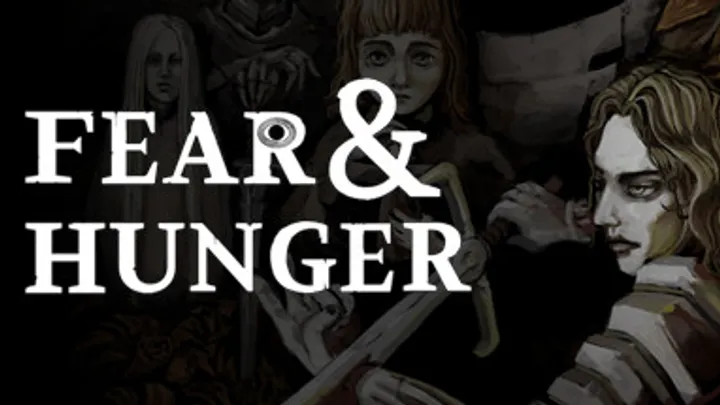
Fear & Hunger built its reputation on cruelty. From its opening moments, the game communicates a single message: survival is unlikely, knowledge is dangerous, and mercy is rare. Unlike traditional horror RPGs, Fear & Hunger does not attempt to balance player comfort with difficulty. Instead, it weaponizes unfairness, randomness, and irreversible consequences to create an atmosphere of constant dread.
Yet as the game reached wider audiences and long-term discussion matured, a specific issue became central to its identity: Fear & Hunger’s oppressive design risks collapsing into player rejection once suffering outweighs perceived meaning. This article examines how the game’s extreme hostility challenges the sustainability of punitive horror design and why its brilliance is inseparable from its alienation.
1. A Game That Refuses to Teach
Fear & Hunger begins without tutorials, guidance, or safe experimentation. Players are expected to learn through failure, often fatal and permanent.
This design choice creates immediate tension. Every action feels dangerous because consequences are unknown. Curiosity becomes a liability.
However, the absence of teaching also creates a steep emotional barrier. Many players never reach understanding—only exhaustion.
2. Punishment Without Gradual Onboarding
Failure as the Primary Instructor
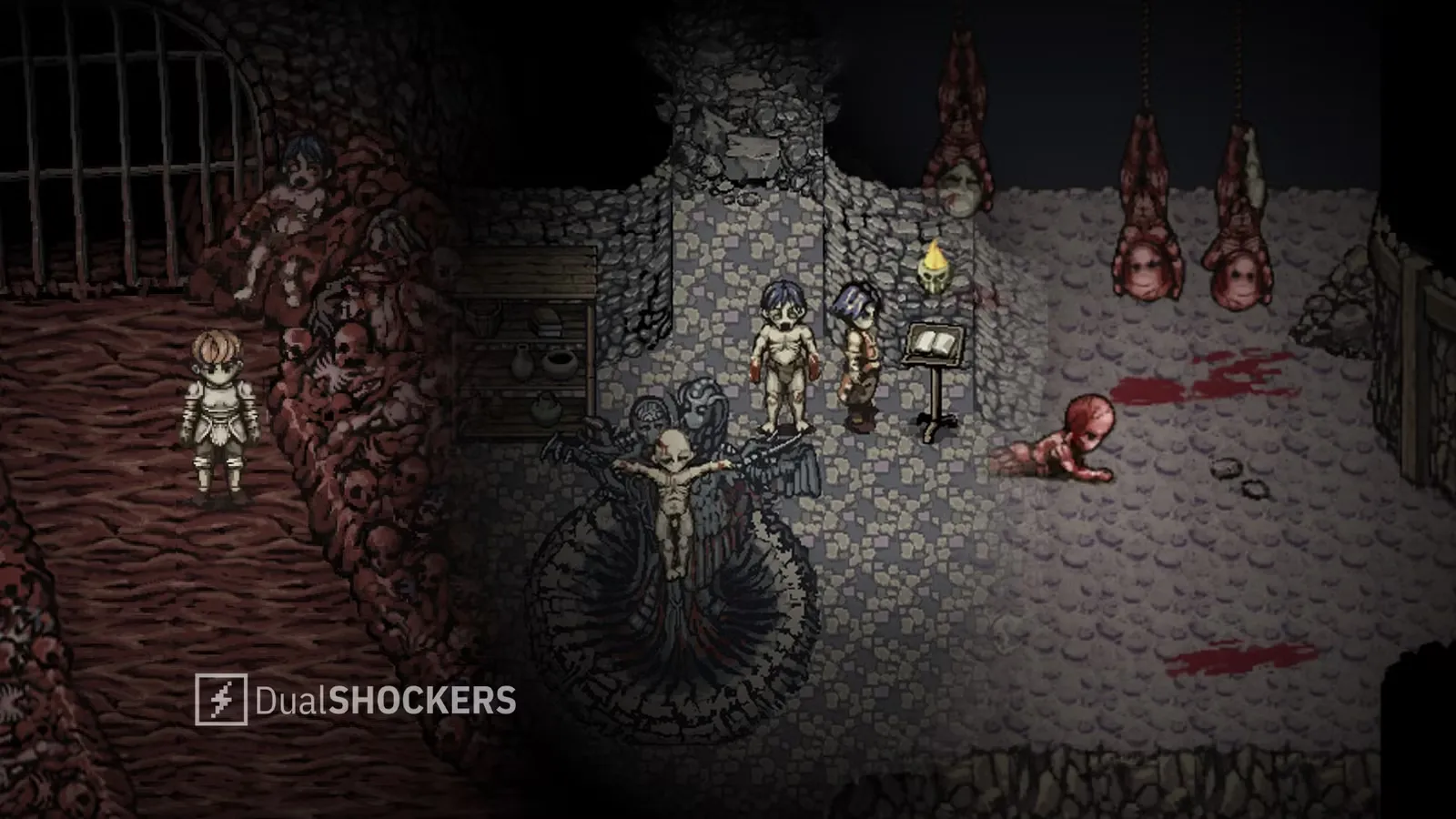
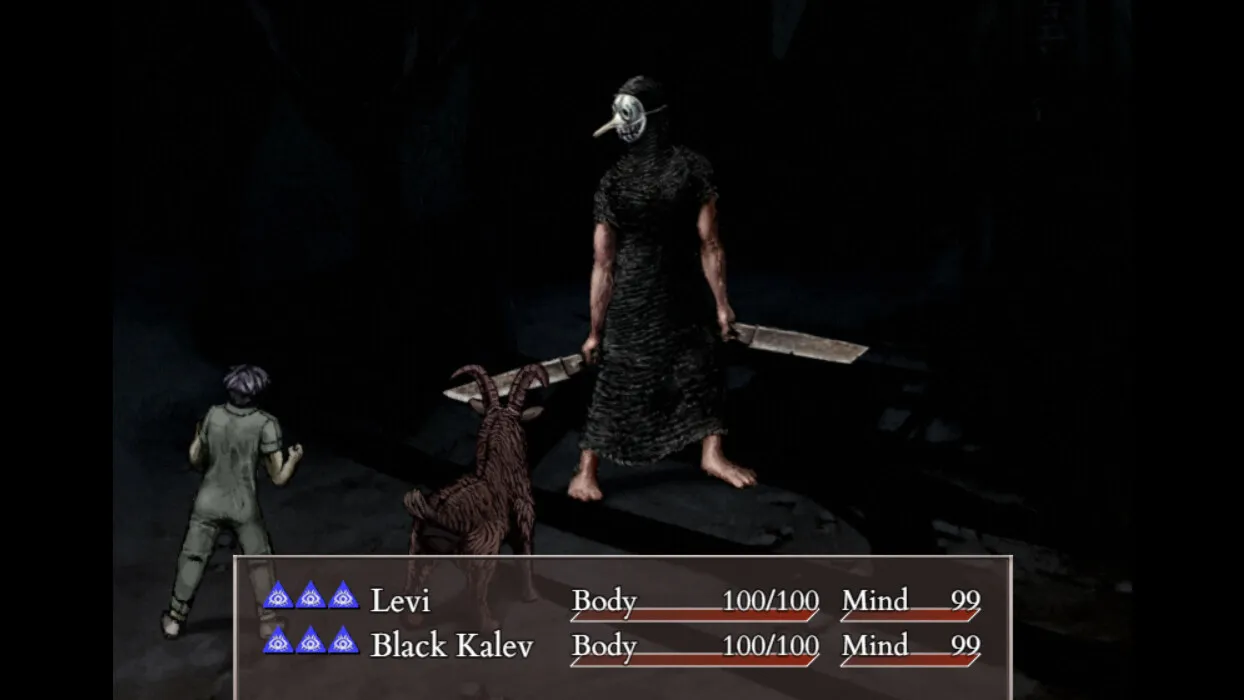
Losing limbs, contracting infections, or dying instantly are not rare events—they are routine.
The game assumes players will accept repeated loss as part of learning.
When Punishment Stops Teaching
Once failure no longer provides new information, it ceases to feel meaningful. At that point, punishment becomes noise rather than signal.
3. Randomness Undermines Strategic Trust
Dice Rolls as Fate
Many critical outcomes are determined by chance, even when players act intelligently.
This reinforces helplessness but also erodes trust in decision-making.
Horror vs Agency
Fear thrives when players feel responsible. Random punishment blurs that responsibility.
4. Irreversibility as a Psychological Weapon
Permanent Loss Defines the Tone
Lost limbs, corrupted characters, and irreversible choices create lasting dread.
These mechanics force players to live with mistakes.
The Cost of No Redemption
Without recovery systems, despair accumulates faster than hope.
5. Knowledge as the Only True Power
Meta-Knowledge Is Survival
Fear & Hunger is less about in-game skill and more about player knowledge accumulated across failed runs.
Those who learn thrive. Those who don’t leave.
Exclusion by Design
This design inherently filters its audience, privileging persistence over accessibility.
6. Emotional Fatigue Replaces Fear
Sustained Oppression Has a Shelf Life
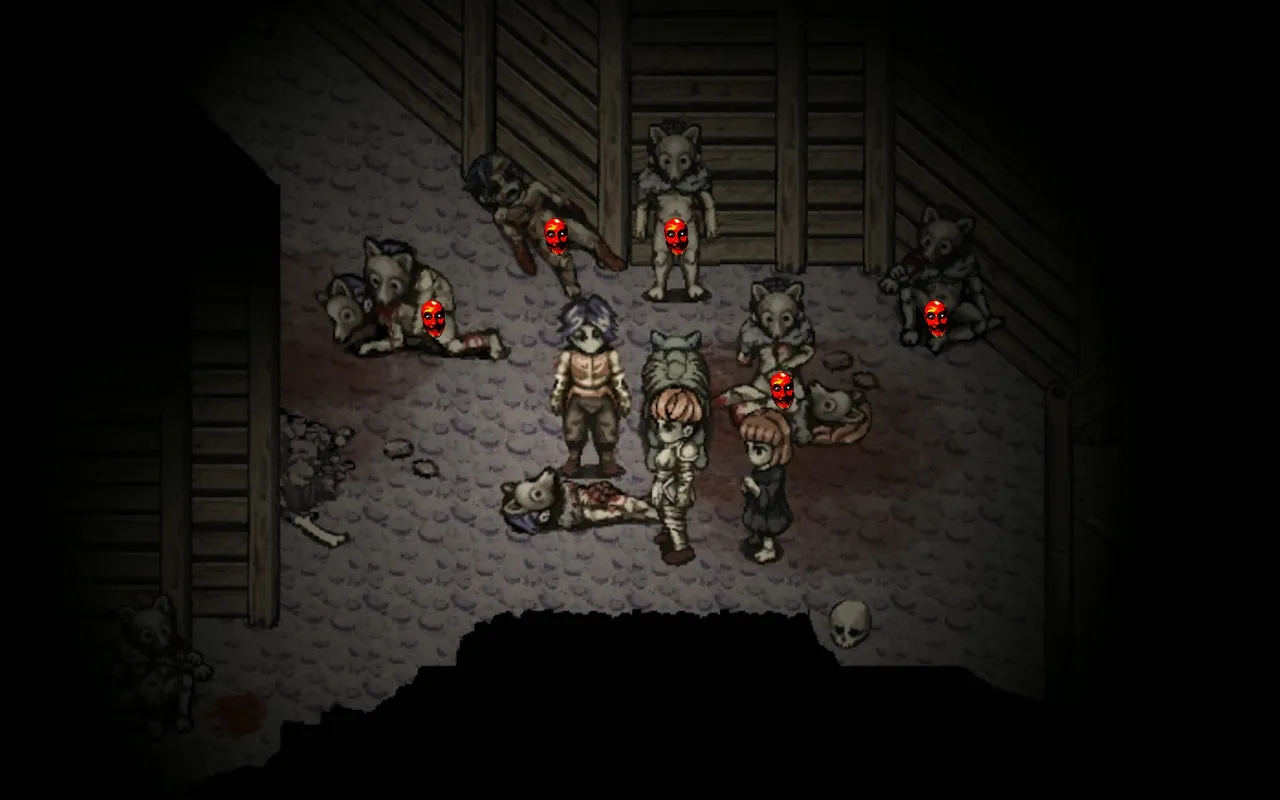
Early fear is intense. Later, it transforms into emotional numbness.
When everything is dangerous, nothing is surprising.
Horror Needs Contrast
Without relief, dread loses definition.
7. Narrative Ambiguity Compounds Alienation
Story Is Obscured by Survival
Lore exists, but many players never reach it. Death interrupts discovery.
Meaning Delayed Too Long
When narrative payoff arrives after extreme suffering, some players disengage before reaching it.
8. Community Fracture Reflects the Design
Devotion vs Rejection
Fear & Hunger has a passionate cult following—but also a high abandonment rate.
This polarization is not accidental; it mirrors the game’s philosophy.
A Game That Chooses Its Players
Rather than adapting to its audience, the game demands adaptation from them.
9. Lessons for Extreme Horror Design
Fear & Hunger teaches critical lessons:
- Punishment must communicate meaning
- Randomness should amplify fear, not negate agency
- Suffering without relief risks emotional shutdown
Extreme horror is powerful—but unstable.
10. Can Oppressive Design Survive Expansion?
Sequels and Refinement
Later iterations attempt to refine systems without diluting tone, suggesting awareness of the issue.
The Core Question
How much suffering can players endure before fear becomes rejection?
Conclusion
Fear & Hunger is uncompromising, brutal, and unforgettable. Its horror succeeds because it refuses comfort—but that same refusal limits its reach. The game walks a razor-thin line between meaningful oppression and emotional burnout.
Rather than a flaw, this tension defines its legacy. Fear & Hunger proves that horror can be absolute—but only for those willing to endure it.
160-character summary
Fear & Hunger’s extreme punishment creates unforgettable horror but risks player rejection when suffering outweighs meaning and agency.