




Introduction
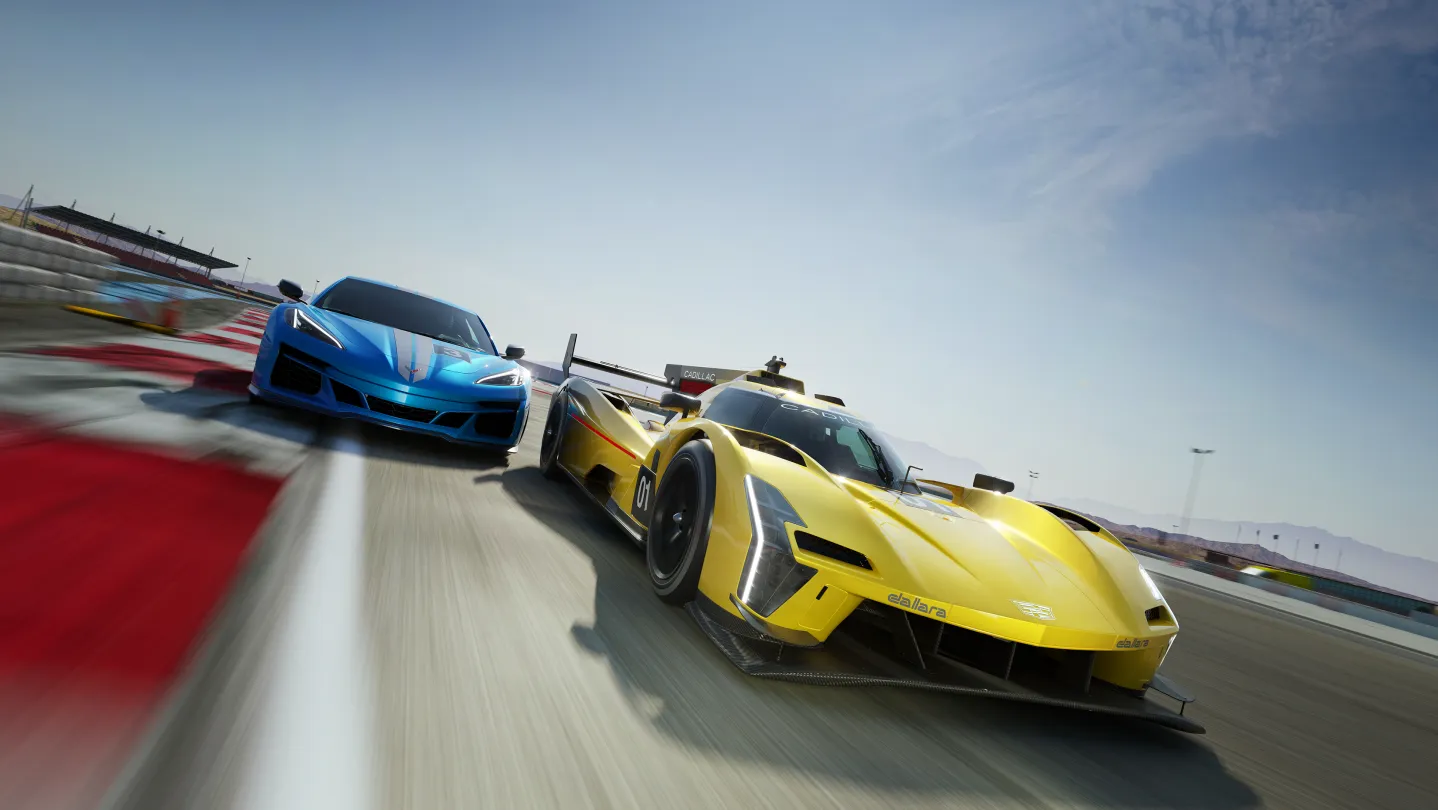
Forza Motorsport is a precision-focused racing simulator that blends realistic driving physics with accessibility, making it appealing to both casual players and serious motorsport fans. Unlike open-world racing titles, Forza Motorsport emphasizes circuit racing, technical mastery, and car setup optimization. Every corner, braking zone, and racing line matters, and success depends on understanding both your vehicle and the track.
This long-form Tips & Guides article is designed to help players progress from beginner racers to confident competitors. It covers driving fundamentals, car upgrades, tuning strategy, racecraft, and long-term progression, giving you the tools needed to improve lap times and consistency across all race formats.
Understanding the Core Racing Philosophy of Forza Motorsport
Forza Motorsport prioritizes clean, controlled racing over arcade-style speed. Cars behave according to realistic grip, weight transfer, tire wear, and braking physics. Learning patience is more important than raw aggression.
Unlike open-world racers, mistakes in Forza Motorsport compound quickly. A missed braking point can ruin an entire lap or cause contact penalties. Understanding how the game rewards consistency helps players focus on long-term improvement rather than risky overtakes.
Approach every race as a learning opportunity. Smooth inputs, predictable driving, and awareness of other racers form the foundation of competitive success.
Choosing the Right Car for Your Skill Level
Car choice plays a major role in early progression. While high-performance cars are tempting, lower-powered vehicles often teach better driving fundamentals. They allow players to focus on racing lines, braking points, and throttle control without overwhelming speed.
Balanced cars with good handling stats are ideal for beginners. Front-engine, rear-wheel-drive vehicles often provide clear feedback, while all-wheel-drive cars offer added stability for less experienced players.
As skill improves, experimenting with different drivetrains and performance classes helps broaden understanding of vehicle behavior across racing disciplines.
Learning Racing Lines and Track Awareness
Mastering racing lines is one of the most important skills in Forza Motorsport. The ideal line minimizes steering input while maximizing exit speed, especially on corner-heavy circuits.
Track awareness goes beyond memorization. Understanding camber changes, elevation shifts, and braking markers improves consistency. Each track has unique flow patterns that reward anticipation rather than reaction.
Practicing in free play or rivals mode helps internalize track layouts without race pressure. Familiarity builds confidence and reduces mistakes during competitive events.
Braking Techniques and Corner Entry Control
Braking is where most lap time is gained or lost. Proper braking involves slowing the car in a straight line before turning, rather than braking while cornering aggressively.
Trail braking—gradually releasing the brake while entering a corner—allows smoother weight transfer and better front-end grip. This technique is especially useful in medium-speed turns.
Overbraking is a common beginner mistake. Learning how late you can brake without locking tires or losing control improves lap times significantly.
Throttle Management and Corner Exit Speed
Throttle control determines how effectively you convert corner exits into straight-line speed. Applying power too early causes wheel spin and loss of traction, especially in rear-wheel-drive cars.
Gradual throttle application keeps the car balanced and preserves tire grip. Smooth exits often matter more than aggressive acceleration, especially over long races.
Learning to feel traction limits through controller vibration or wheel feedback improves consistency and reduces mistakes over time.
Car Upgrades and Progression Strategy
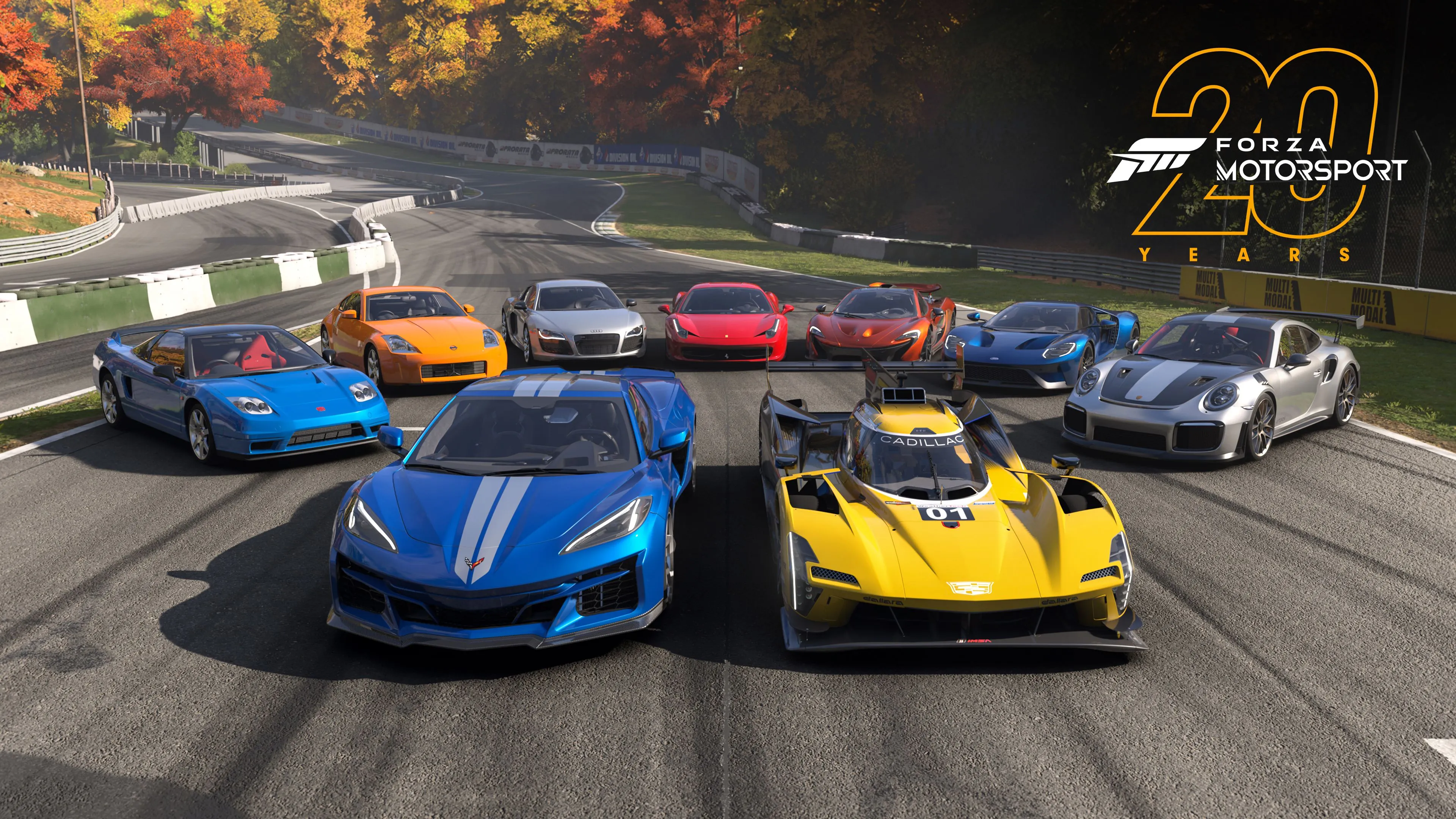
Forza Motorsport uses a structured progression system that rewards driving time and clean racing. Rather than instantly maxing out a car, upgrades unlock gradually, encouraging familiarity with each vehicle.
Focus upgrades on handling and braking before raw power. Improved suspension, tires, and weight reduction offer better control and consistency than horsepower alone.
Avoid over-upgrading early. Balanced builds often outperform unstable high-power setups, especially on technical tracks.
Basic Car Tuning for Better Performance
Tuning allows players to fine-tune handling characteristics. While advanced tuning can be complex, basic adjustments make a noticeable difference.
Key tuning priorities include:
- Tire pressure for grip consistency
- Brake balance for stable stopping
- Suspension stiffness for track type
- Gear ratios for optimal acceleration
Small changes can dramatically improve drivability. Always test tuning adjustments in practice sessions before racing competitively.
Racecraft, Overtaking, and Defensive Driving
Racecraft is the art of racing against others cleanly and efficiently. Successful overtakes rely on patience, positioning, and timing rather than force.
Setting up passes over multiple corners is often safer than diving late under braking. Pressure forces opponents into mistakes, creating opportunities without risk.
Defensive driving should be fair and predictable. Blocking aggressively often leads to penalties or collisions. Focus on strong racing lines instead.
Tire Wear, Fuel Management, and Race Strategy
Longer races introduce strategic depth through tire wear and fuel consumption. Driving smoothly preserves tires and maintains lap consistency over time.
Avoid excessive sliding and wheel spin, which accelerate tire degradation. Choosing when to push and when to conserve becomes a strategic decision.
Pit strategy matters in endurance events. Understanding when to change tires or refuel can decide races even without leading in raw pace.

Improving Consistency and Long-Term Skill Growth
Consistency separates average players from skilled racers. Finishing clean races with minimal mistakes leads to faster progression and better results.
Review replays to identify weaknesses. Small errors repeated over multiple laps often cost more time than one major mistake.
Practicing regularly, experimenting with different cars, and racing against stronger opponents accelerates improvement and builds confidence.
Conclusion
Forza Motorsport rewards precision, patience, and mastery of fundamentals. Success is not about choosing the fastest car, but about understanding racing mechanics, improving consistency, and making smart decisions on and off the track.
By focusing on smooth driving, smart upgrades, and clean racecraft, players can steadily improve their performance and enjoy the depth that Forza Motorsport offers. These tips and guides provide a solid foundation for anyone aiming to become a competitive and confident racer.
160-Character Summary:
Forza Motorsport tips and guides covering racing lines, braking, tuning, upgrades, racecraft, and strategy to help players improve consistency and win races.