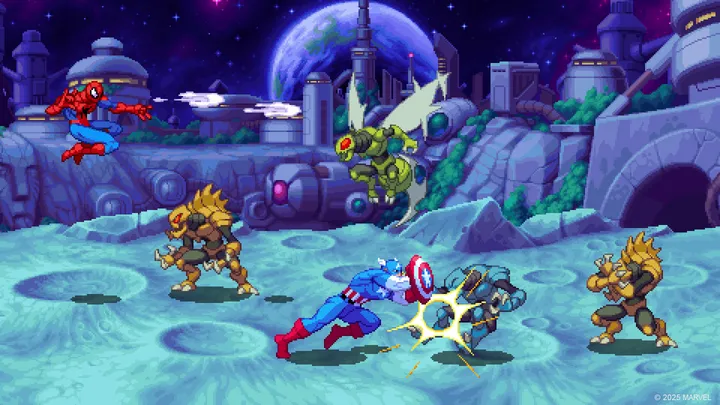







Marvel Cosmic Invasion plunges you into an intergalactic war where Earth’s mightiest heroes face cosmic threats across galaxies, dimensions, and timelines. Whether you command classic Avengers, cosmic powerhouses, or lesser-known Marvel champions, the game challenges your strategy, teamwork, resource management, and mastery of unique hero abilities.
This complete 2000+ word Tips & Guides article will help both new and advanced players optimize their teams, understand combat mechanics, build cosmic synergy, and survive escalating invasions. Organized into 10 detailed sections—each with multiple paragraphs, h3/h4 insights, and actionable recommendations—this is your ultimate guide to dominating Marvel Cosmic Invasion.
1. Understanding the Core Gameplay: Cosmic-Scale Strategy
Marvel Cosmic Invasion blends action, strategy, and RPG systems, requiring you to juggle multiple battlefields and manage heroes simultaneously. The game’s core is stability—controlling zones, managing hero health, and responding to cosmic anomalies. Without understanding this overarching gameplay philosophy, even strong rosters fail.
Each mission involves layered objectives: controlling cosmic rifts, defending stations, battling celestial entities, and preventing timeline collapses. The game encourages proactive thinking. You must constantly anticipate enemy waves, manage cooldowns, and rotate heroes based on energy availability.
h3: Victory Requires Multi-Tasking
You must balance map control, hero stamina, and real-time threats.
h4: Defense Is Just as Important as Offense
Aggressive teams collapse without sustainable defenders or support units.
2. Choosing the Best Starting Heroes
Your early hero choices determine your progression speed. New players often pick favorite characters, but optimal early picks focus on utility and survivability. Heroes with crowd control, self-healing, and cosmic resistance excel in early chapters.
Avoid picking pure damage-dealers at the start. They shine later once you unlock boosters and synergy bonuses. Instead, select adaptable heroes who can handle multiple situations and enemy types.
h3: Recommended Starter Heroes
- Captain Marvel – burst damage + energy shields
- Doctor Strange – control and healing
- Star-Lord – multi-target ranged support
- Black Panther – durable melee with speed
h4: Focus on Heroes with Sustain
Healing abilities early reduce your reliance on consumables.
3. Combat System Breakdown & Battlefield Awareness
Combat in Marvel Cosmic Invasion takes place on dynamic battlefields filled with hazards, destructible environments, cosmic storms, and enemy factions that interact in complex ways. Understanding positioning, attack priority, and ability timing is key to survival.
The game’s combat flow is built around cooldown management. Spamming abilities leads to leaving yourself helpless during enemy counterwaves. Learn to time ultimates for boss phases and save defensive skills for cosmic anomalies that debuff your team.
h3: Always Track Environmental Hazards
Meteor showers, cosmic pulse zones, and void ruptures can wipe your team.
h4: Rotate Heroes for Cooldown Efficiency
Swap heroes strategically to avoid downtime during long missions.
4. Energy Management, Resources & Cosmic Upgrades
Every hero uses energy differently. Some regenerate quickly, while others depend on energy batteries or cosmic nodes you collect during missions. Resource management becomes critical as enemies grow stronger.
Upgrade materials—Cosmic Fragments, Infinity Residue, Celestial Sparks—should be used selectively. Focus your resources on heroes with long-term value rather than spreading upgrades too thin.
h3: Prioritize Core Abilities
Max out skills that improve survivability or control before maxing damage.
h4: Save Rare Resources for Endgame Heroes
Don’t waste high-tier cosmic materials on early- or mid-game characters.

5. Building Effective Team Synergy
Team synergy elevates your power far beyond individual hero stats. Marvel Cosmic Invasion includes synergy categories such as Cosmic, Tech, Mystic, Mutant, and Spaceborne. Matching heroes within synergy groups unlocks powerful passive buffs.
Balancing your team involves combining roles—tanks, supports, controllers, and damage-dealers—to create a cohesive squad capable of responding to varied threats. Avoid stacking too many heroes of the same role unless targeting a niche strategy.
h3: Essential Team Roles
- Tank: absorbs cosmic damage
- Support: heals, buffs, shields
- Controller: stuns, banishes, slows
- DPS: burst or sustained damage
h4: Build Around a Core Hero
Choose one hero as your centerpiece and support their strengths.
6. Navigating the Galaxy: Map Strategy & Mission Planning
The galaxy map includes sectors with different threat levels. Some zones are unstable, meaning cosmic anomalies trigger random events. Others have predictable patterns you can prepare for. Planning your route prevents burnout and resource depletion.
Complete easier missions first to build momentum, gather materials, and test your team combinations. Save high-threat missions until your heroes reach recommended power ranges.
h3: Identify Safe Zones
Use low-threat sectors to refarm energy and test new heroes.
h4: Avoid Jumping into High-Risk Missions Blindly
Scout enemy factions beforehand to avoid mismatch disasters.
7. Enemy Factions & Cosmic Threat Analysis
Enemies in Marvel Cosmic Invasion come from different corners of the Marvel multiverse—Kree, Skrulls, Brood, Hydra Cosmic, Celestial Constructs, Void Creatures, and more. Each faction has specific strengths, weaknesses, and attack patterns you must understand.
Some factions overwhelm with numbers, while others rely on high-damage elites. Celestial enemies apply cosmic debuffs, while Void Creatures corrupt your cooldowns. Tailor your squad for each mission to counter enemy mechanics efficiently.
h3: Study Faction Weaknesses
Example:
- Kree → weak to energy disruption
- Skrulls → weak to stuns
- Void → weak to mystic damage
h4: Eliminate High-Priority Targets First
Void Priests, Celestial Sentinels, and Hydra Overseers must be removed early.
8. Cosmic Boss Fights: Mechanics, Patterns & Strategies
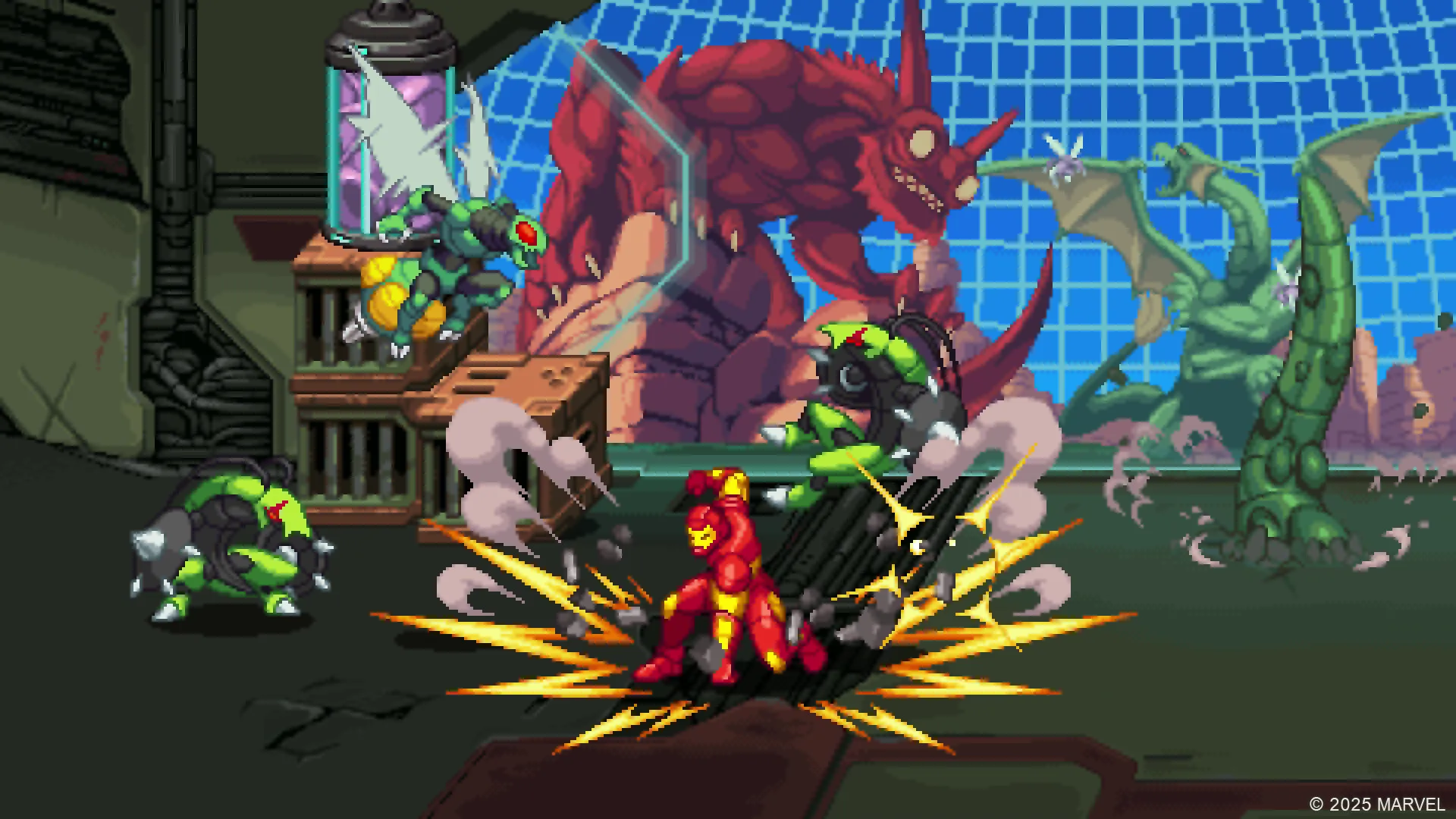
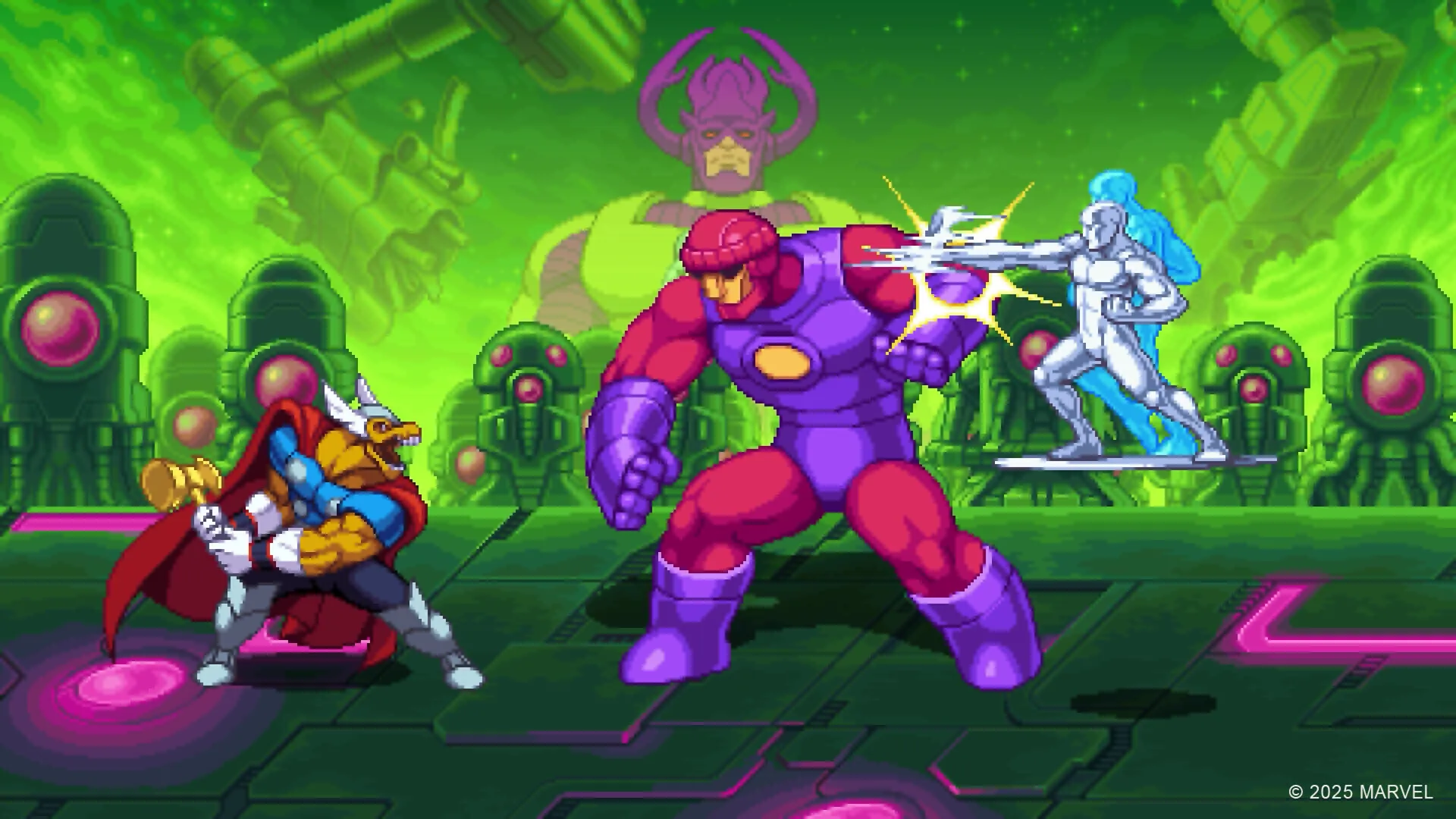
Boss battles in Marvel Cosmic Invasion are multi-phase encounters featuring shield cycles, summon waves, dimensional distortions, and enraged phases. Blind aggression rarely works—you must understand each boss’s mechanics.
Boss arenas also feature environmental hazards unique to each cosmic entity. Some bosses create gravity distortions that drag heroes inward, while others summon solar flares across the arena. Memorizing attack cues dramatically reduces damage taken.
h3: Time Your Ultimates Correctly
Save burst damage for shield-break windows or phase transitions.
h4: Keep Your Support Hero Alive
Losing support early almost always leads to mission failure.
9. Late-Game Strategies & High-Tier Cosmic Builds
Endgame content introduces cosmic rifts, endless invasion modes, multiversal raids, and boss rotations with escalating difficulty. At this point, your focus should shift toward min-maxing builds, optimizing synergy, and customizing hero loadouts for specific encounter types.
Late-game requires deeper understanding of energy cycling, cooldown reductions, cross-team support abilities, and cosmic gear effects. You’ll also unlock exotic passives and multi-hero combos that drastically increase damage output.
h3: Build Specialized Teams
Examples:
- Void Counter Team – heavy mystic damage
- Celestial Raid Team – high shielding + burst DPS
- Invasion Farm Team – fast-cleave AOE
h4: Grind Cosmic Dungeons for Best Gear
These contain the rarest items that define top-tier builds.
10. Mastering Multiplayer, Co-Op Raids & Alliance Play
Multiplayer introduces cooperative battles where players combine their heroes to fight massive bosses. Coordination becomes essential—each player fills a role, times ultimates, and communicates hazard awareness. Poor teamwork sabotages success.
Alliances unlock additional bonuses such as shared upgrades, alliance tech, coordinated invasions, and time-limited rewards. Active alliances help you grow faster, earn more resources, and clear content that solo players struggle with.
h3: Communicate Roles Clearly
One tank, one support, one controller, one DPS makes a perfect raid team.
h4: Share Loadouts Before Entering a Raid
Prevent unnecessary overlap in damage types or debuff roles.
Marvel Cosmic Invasion combines strategy, action, teamwork, and Marvel fan-service into a complex universe-spanning experience. By mastering your heroes’ abilities, understanding cosmic threats, optimizing resources, building synergy-driven teams, and learning boss mechanics, you can overcome even the most catastrophic invasions. This guide equips you with everything needed—from beginner fundamentals to endgame mastery—to dominate the battlefield, protect the galaxy, and unleash the full potential of your Marvel roster.