






Introduction
Social media apps continue to shape how people communicate, share information, and connect with others in 2025. From private messaging to public content sharing, these platforms attract billions of users worldwide every day.
Below are three of the most popular social media apps that remain dominant due to their massive user base and constant innovation.
1. Facebook – The Largest Social Network in the World
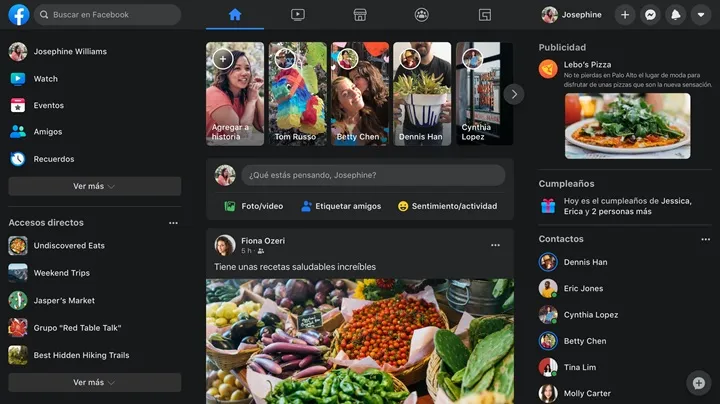
Facebook remains one of the most widely used social media platforms, especially for communities and groups.
Key features
- News Feed with posts, photos, and videos
- Groups and community discussions
- Marketplace for buying and selling
- Integrated messaging and events
Why it’s still relevant
Facebook connects users of all ages and remains a key platform for social interaction and online communities.
Best for: Staying connected with friends, groups, and local communities.
2. Snapchat – Fast and Fun Visual Messaging
Snapchat continues to attract younger users with its focus on private, visual communication.
What makes Snapchat unique
- Disappearing photos and videos
- Creative filters and AR lenses
- Stories for daily updates
- Private and casual messaging
Why users enjoy it
Snapchat feels more personal and less permanent, making it ideal for quick and fun communication.
Best for: Casual chatting and visual storytelling.
3. X (Twitter) – Real-Time News and Conversations
X remains a top platform for real-time updates, discussions, and trending topics.
Core benefits
- Short-form posts and threads
- Live news and global conversations
- Trending topics and hashtags
- Direct interaction with public figures
Why it stands out
X is the go-to app for breaking news and public discussions happening in real time.
Best for: News, opinions, and live conversations.
Conclusion
These three social media apps — Facebook, Snapchat, and X — continue to dominate in 2025 by offering different ways to connect, share, and communicate.
Together, they cover almost every social interaction need for modern users.