






Yu-Gi-Oh! Master Duel is not a game you win by intuition alone. It is a digital adaptation of one of the most complex trading card games ever created, where knowledge, preparation, and sequencing matter more than reflexes. Many new players lose quickly not because their cards are bad, but because they do not understand how the game flows from deck construction to endgame decision-making.
This in-depth “how to” guide explains Yu-Gi-Oh! Master Duel as a complete learning journey. Instead of reviewing cards or listing features, it teaches you what to do, when to do it, and why it works. Each stage of play is explained chronologically, so you can build strong habits, avoid common mistakes, and steadily improve your win rate in both casual and ranked play.
1. How to Understand the Core Rules Before Playing Your First Duel
Before touching deck building or ranked mode, you must understand the fundamental structure of a Yu-Gi-Oh! duel. Every turn is divided into phases, and each phase exists for a reason. Many beginners lose simply because they activate cards at the wrong time.
A turn begins with the Draw Phase, followed by Standby, Main Phase 1, Battle Phase, Main Phase 2, and End Phase. Most actions happen in Main Phases, while battles occur only in the Battle Phase. Knowing when you are allowed to summon, activate effects, or respond is essential.
Equally important is understanding chains. In Yu-Gi-Oh!, effects resolve in reverse order. This means reacting correctly is often more powerful than acting first. Master Duel’s interface helps visualize chains, but you must still understand why effects resolve the way they do.
2. How to Choose a Beginner-Friendly Deck Archetype
Your deck choice determines how difficult your learning curve will be. Complex combo decks can overwhelm new players, leading to misplays and frustration. Starting with a clear, linear strategy allows you to focus on fundamentals.
Beginner-friendly archetypes usually have simple win conditions and limited combo branches. These decks teach you core mechanics like summoning, resource management, and battle timing without overwhelming decision trees.
Avoid copying top tournament decks immediately. Meta decks often require precise sequencing and deep card knowledge. Learning with a simpler deck builds a foundation that transfers to more advanced strategies later.
3. How to Build a Consistent Deck Step by Step
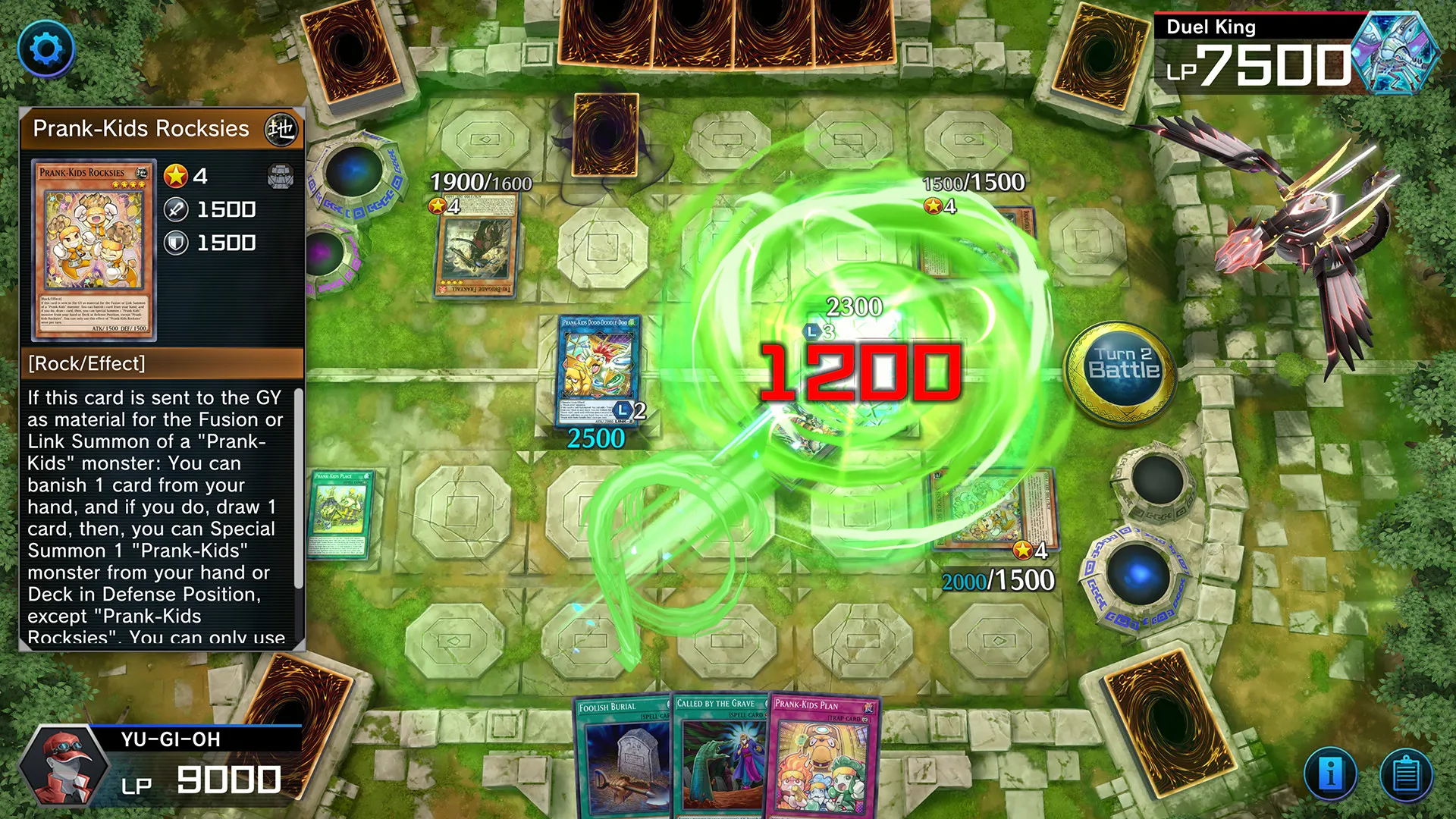
Deck building in Master Duel is about consistency, not creativity alone. A strong deck reliably executes its main plan every duel. This means minimizing unnecessary cards and maximizing synergy.
Start by defining your win condition. Decide how your deck intends to win, then include cards that directly support that goal. Avoid adding cards “just in case” unless they clearly improve consistency.
Pay attention to ratios. Most competitive decks use three copies of key cards to ensure early access. Too many one-of cards increase randomness and reduce reliability, especially in ranked play.
4. How to Use Card Crafting and Resources Efficiently
Master Duel uses a crafting system that rewards long-term planning. Gems and crafting points are limited, so poor spending decisions can slow your progress significantly.
Avoid crafting cards impulsively. Focus on staples that work across multiple decks, such as generic removal or defensive cards. These investments remain useful even if you change archetypes later.
Dismantle unused cards carefully. Only dismantle cards you are certain you will not use, as rebuilding them later costs more resources than you gain.
5. How to Learn Proper Summoning and Combo Sequencing
Summoning mechanics are the heart of Yu-Gi-Oh! Master Duel. Normal, Special, Fusion, Synchro, Xyz, and Link Summons each follow specific rules that must be respected.
Learn one mechanic at a time. Master Duel’s solo mode is ideal for practicing without pressure. Focus on understanding why a combo works, not just memorizing steps.
Combo sequencing matters because activating effects in the wrong order can lock you out of plays or weaken your board. Strong players plan several actions ahead, considering possible interruptions.
6. How to Read the Board and Anticipate Opponent Plays
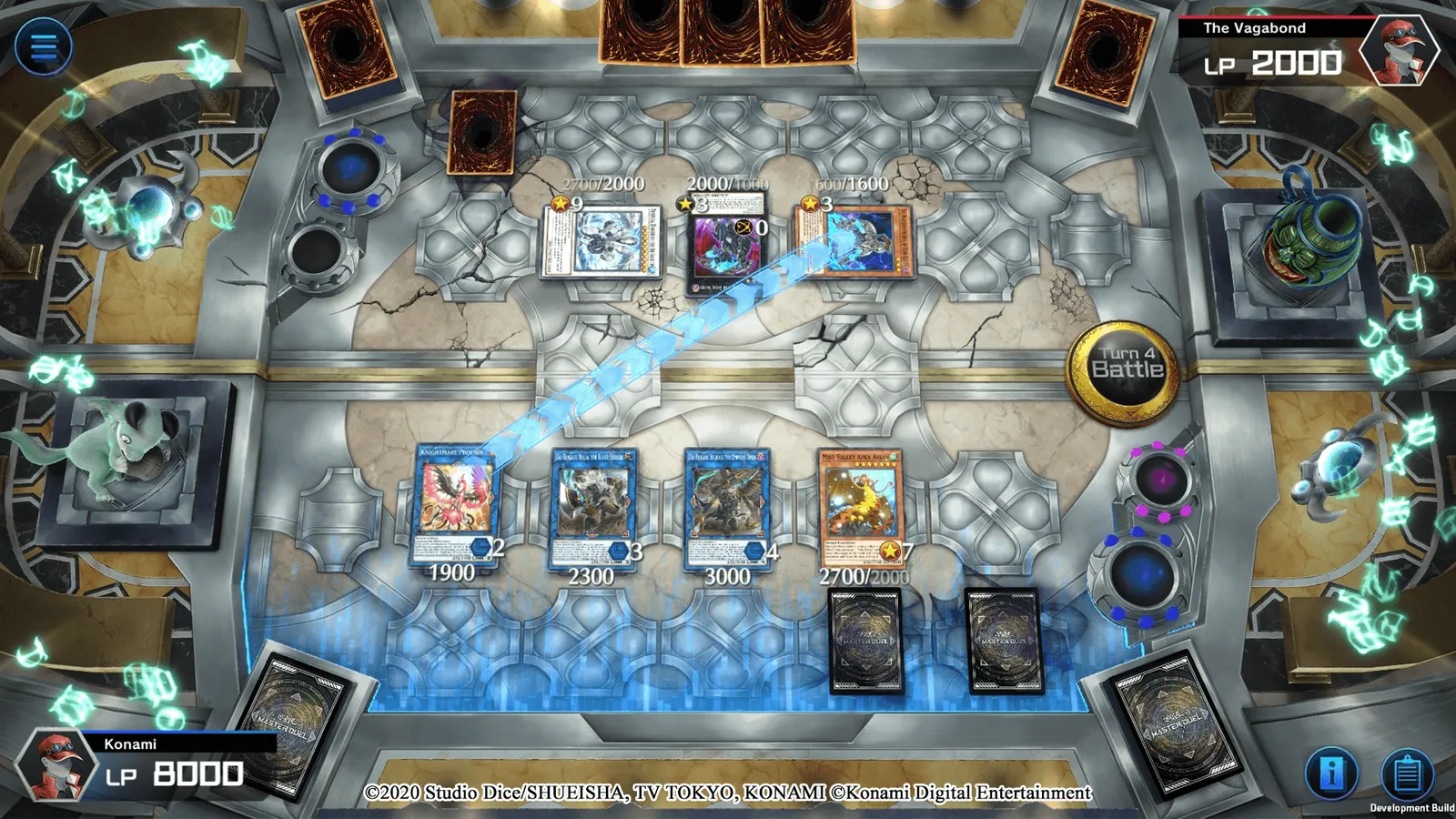
Winning consistently requires understanding not only your deck, but your opponent’s intentions. Board reading involves analyzing visible cards, graveyards, and remaining resources.
Pay attention to how many cards your opponent has committed. Overextended boards are vulnerable to board wipes, while conservative boards often hide reactive traps.
Learning common archetypes helps you predict responses. Even without full knowledge, recognizing patterns improves decision-making under pressure.
7. How to Defend Yourself and Survive Strong Opponent Turns
Defense is often overlooked by new players who focus only on offense. In Yu-Gi-Oh!, surviving an opponent’s turn is often the difference between winning and losing.
Include defensive cards that interrupt key actions rather than minor threats. Stopping a critical summon is more effective than destroying a random monster.
Know when not to respond. Sometimes letting a minor effect resolve preserves resources for a more dangerous play later in the turn.
8. How to Win Through Proper Timing and Resource Management
Yu-Gi-Oh! is a game of resources: cards in hand, cards on field, and cards in graveyard. Winning players trade resources efficiently.
Avoid activating everything immediately. Holding cards creates uncertainty and flexibility. Timing effects at the right moment often yields greater advantage than raw power.
Patience is a skill. Many duels are lost because players rush plays instead of waiting for optimal timing.
9. How to Climb Ranked Mode Without Burning Out
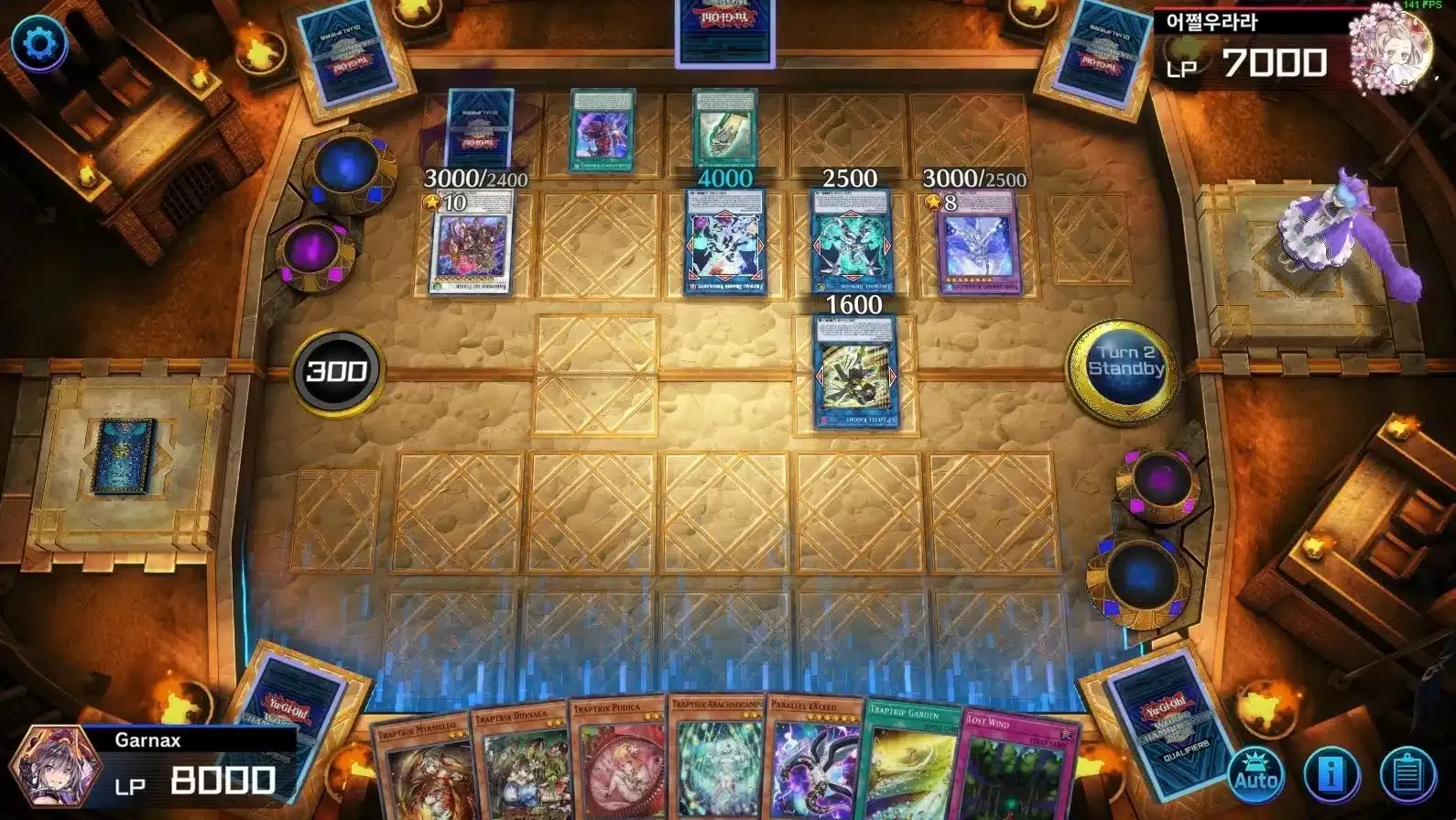
Ranked play in Master Duel can be intense. Climbing consistently requires emotional control as much as technical skill.
Set realistic goals. Focus on improving decision-making rather than obsessing over rank progression. Losses are learning opportunities, not failures.
Take breaks when tilted. Playing while frustrated leads to mistakes and negative habits that slow improvement.
10. How to Improve Long-Term and Master the Game
Mastery in Yu-Gi-Oh! Master Duel is a long journey. The game evolves constantly through updates and new card releases.
Review your replays. Identify misplays, missed opportunities, and poor sequencing. Self-analysis accelerates improvement faster than grinding alone.
Stay curious. Learning new archetypes, mechanics, and strategies keeps the game engaging and sharpens your overall skill level.
Conclusion
Yu-Gi-Oh! Master Duel rewards preparation, patience, and understanding far more than luck. By learning the rules, building consistent decks, managing resources wisely, and mastering timing, you gain control over the chaos that overwhelms many players.
This step-by-step approach turns confusion into clarity. With practice and reflection, you will not only win more duels, but understand why you are winning—an essential step toward true mastery.
160-character summary:
A step-by-step guide on how to play Yu-Gi-Oh! Master Duel, covering deck building, crafting, dueling tactics, ranked play, and long-term improvement.